The University of Kansas

Inside Spencer: The KSRL Blog

Books on a shelf

Welcome to the Kenneth Spencer Research Library blog! As the special collections and archives library at the University of Kansas, Spencer is home to remarkable and diverse collections of rare and unique items. Explore the blog to learn about the work we do and the materials we collect.

This blog may contain archived web content. This blog may link to catalog records which no longer exist as of a software change in 2026.

Working from Home Without Manuscripts or Rare Books

June 24th, 2020

During Covid-19 isolation, our team in the cataloging and processing department at Kenneth Spencer Research Library has been busy working from home. Instead of working hands-on with the rare books and manuscripts, like we normally do, we have been working on our databases and other online sources to ensure that our all of our material is easily searchable and discoverable for researchers and scholars, not only here in Kansas, but worldwide. This work is important to the mission of the library.

Five professionals from the cataloging and processing department share their working-from-home experience.

Marcella Huggard, Manuscripts Coordinator

What are you working on?

I am continuing to coordinate my team’s projects of data cleanup or data creation for legacy collections that never had online finding aids; I’m also coordinating other folks’ work on legacy data projects. One of my own cleanup projects—consolidating finding aids that had been separated when they were first put online, due to descriptive decisions made at the time that no longer hold true—is something I’ve been wanting to focus on for a couple years now. I have also been working on a research project to document the history of the Menninger Foundation’s archives.

Why is this work important to the library?

The projects that I’m coordinating and working on myself continue to enhance access to our manuscript collections, so that when researchers request materials they’ll have a better sense of what we have available, and they’ll be able to find that information that much more easily in an era where expectations are that information will be discoverable online.

What will you miss from home when we go back to work in the Spencer building?

Sleeping in an extra hour! I will also miss the scheduling flexibility.
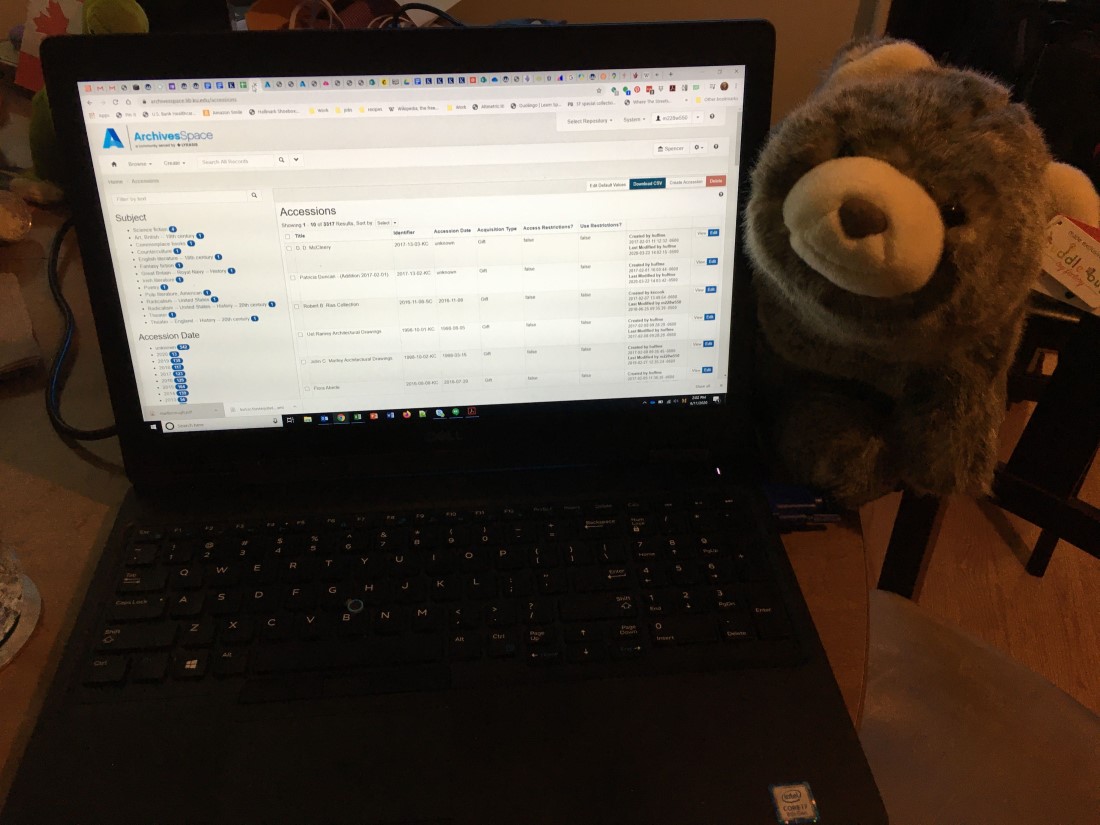
Photograph of Marcella and Salty Bear
Marcella’s new co-worker, Salty (short for Salted Caramel) Bear. “My spouse, a teddy bear himself, likes to buy me teddy bears; he got me this one soon after I started working from home.” Click image to enlarge.

Mike Readinger, Special Collections and Manuscript Cataloger

What are you working on?

I am working on ArchivesSpace database clean-up and creating bibliographic records for the legacy finding aids. In the early 2000s, we switched from using card files. Thousands of records in Voyager (the old, though still in use, KU Libraries online catalog) were created using these bibliographic cards. Those records were brief, so now I am using this time to create more complete records.

Why is this work important to the library?

These completed records will be put on OCLC WorldCat. The work done in cataloging and processing is the first step in letting the whole world know what we have. We make the information known, then our great reference staff can serve the scholars and researchers.

What will you miss from home when we go back to work in the Spencer building?

Right now, I have my home office set up in our basement. I can run upstairs to get dinner started, then come back down and keep working. I like the ease of doing those kinds of things.
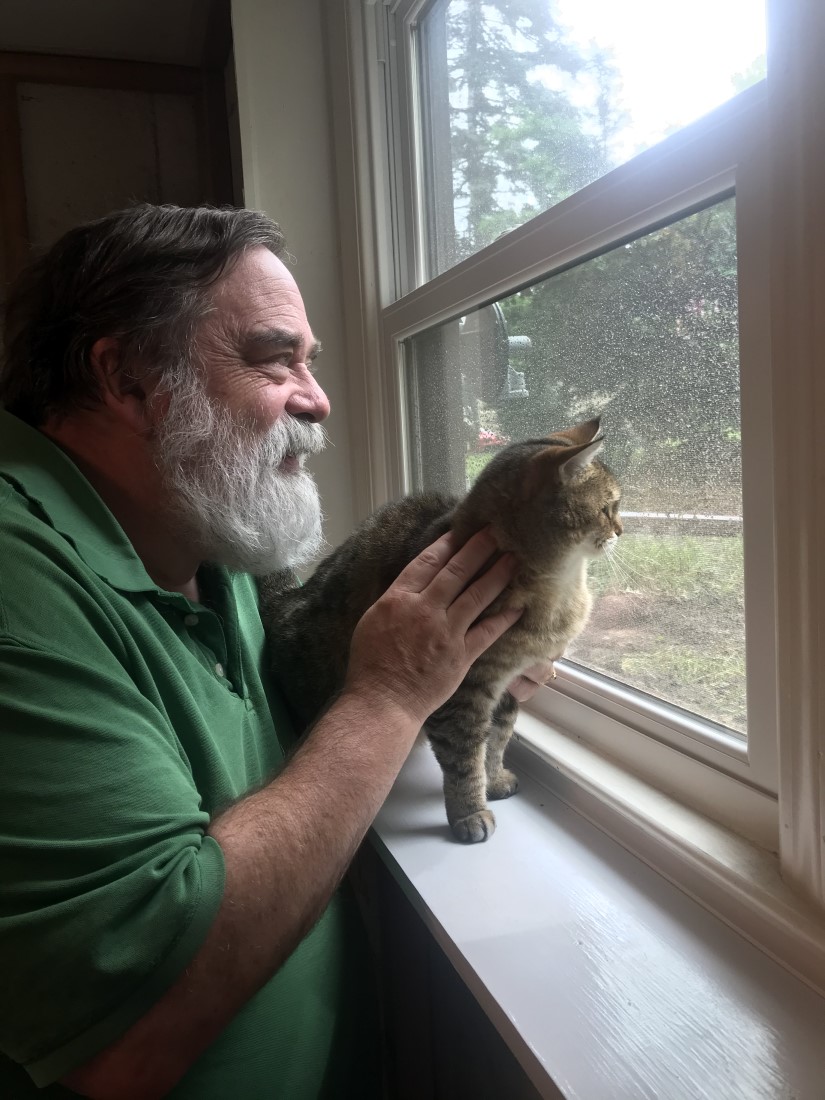
Photograph of Mike and his supervisor
Mike and his supervisor look out the window in Mike’s home office. Click image to enlarge.

Jennifer Johnson, Manager of the Non-Manuscript and Inventory Unit

What are you working on?

I am editing and creating personal name authorities and name/subject headings for the library catalog. Plus, I have been removing duplicate records from the catalog.

Why is this important to the library?

Authority control is important because it creates organization and structure of information resources, making the materials more accessible, allowing better researching for the users.

What will you miss from home when we go back to work in the Spencer building?

I love working from home! I really enjoy being able to go grab something to eat or drink. I work by a window that I can open. I’ll also miss being able to switch tasks, for example, I can do the dishes at lunchtime. And I love getting to see my son more often!
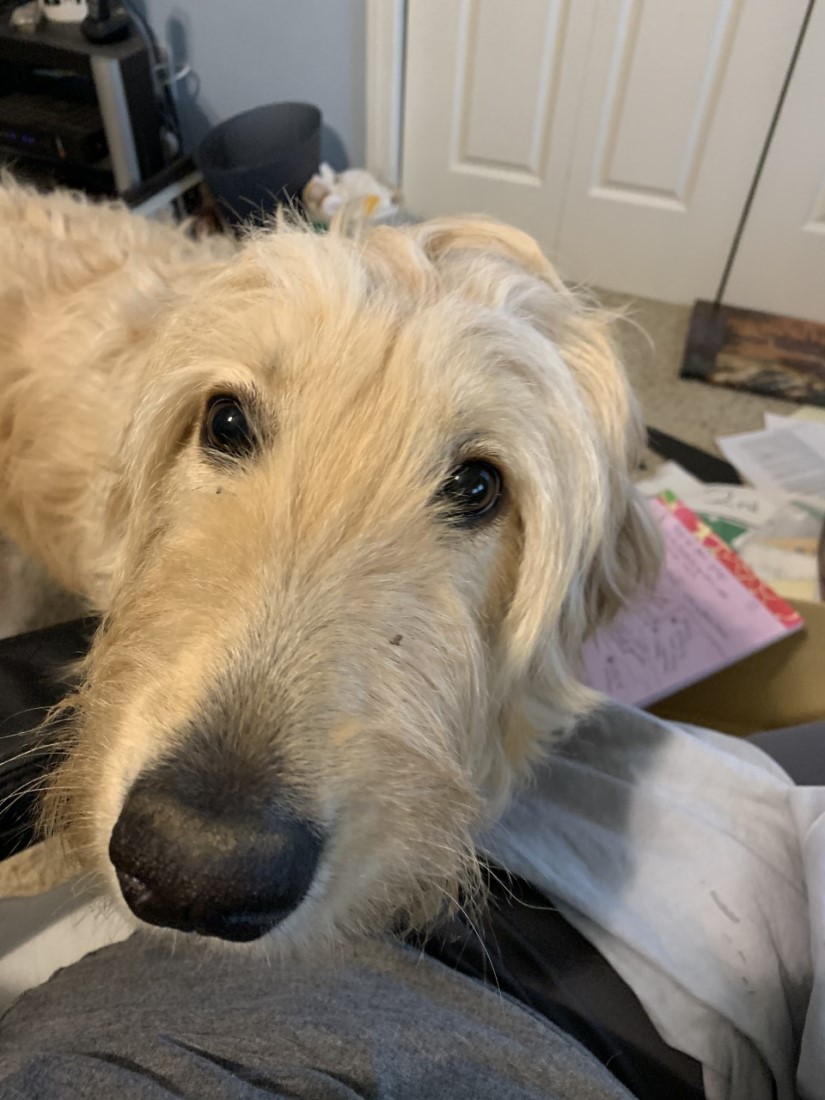
Photograph of Jennifer and her dog

Jennifer’s loyal co-worker. Click image to enlarge.

Mary Ann Baker, Special Collections and Manuscript Processor

What are you working on?

I have been working on the Access database listing of The Miscellany part of the English Historical Documents Collection. Almost all the manuscripts in this collection were acquired in the late 1960s. Over all the decades that these collections have been worked on, data transference from one program to another has resulted in some data corruption. For example, the pound symbol (£) turned into an umlauted u (ü). So, I have been cleaning up the errors and expanding abbreviations to prepare the database for publication as part of the finding aid for the Miscellany Collection. 

Why is this important to the library?

Working on this collection contributes to making Spencer Library’s holdings known globally and accessible to all, one of the goals of the KU Libraries.

What will you miss from home when we go back to work in the Spencer building?  

Naps at their will. I will not miss Zoom meetings.


Lynn Ward, Manuscripts Processing

What are you working on?

I have been working on projects to clean-up and refine the information in our archives database, ArchivesSpace. I added “containers” to hundreds of the earlier resources that lacked box or volume information. I also have been adding collection inventory information directly to the ArchivesSpace resource; this information had previously only been available via a link to a separate scanned PDF document.

Why is this important to the library?

Adding “containers” makes it possible for researchers to request the material, which helps our reference staff to connect researchers with what they need. Adding the inventory information from the PDF to the resource makes the information more discoverable for researchers and scholars when they search online.

What will you miss from home when we go back to work in the Spencer building?

I have really been enjoying the extra time with my family, so I will miss that when I go back to working in the building.
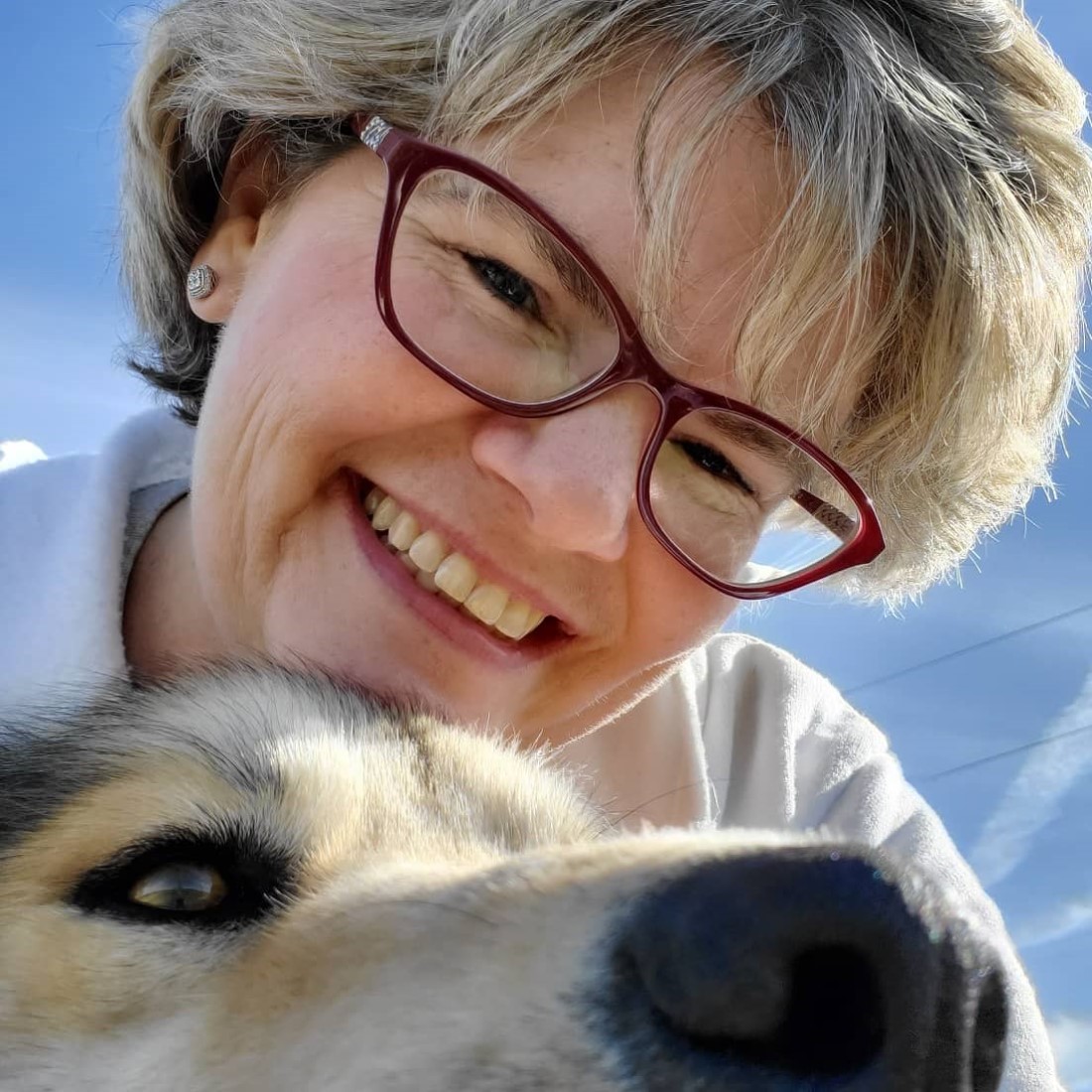
Photograph of Lynn and her dog

Lynn’s co-worker requires daily walks. Click image to enlarge.

The work described above is important to the library’s mission.

All of the faculty and staff working at the Spencer Research Library share one mission: to connect scholars in varied disciplines with the information that is critical to their research, while providing excellent services in a welcoming and comfortable environment.

The work in the cataloging and processing department is an important step to that mission. Even while we are enjoying different aspects about working from home during Covid-19, we are continuing to work hard to make sure scholars and researchers can search, find, and connect with the information contained in Spencer Research Library’s collections.

Lynn Ward
Processing Archivist
Joseph Pennell Collection: Fathers with Their Children

June 18th, 2020

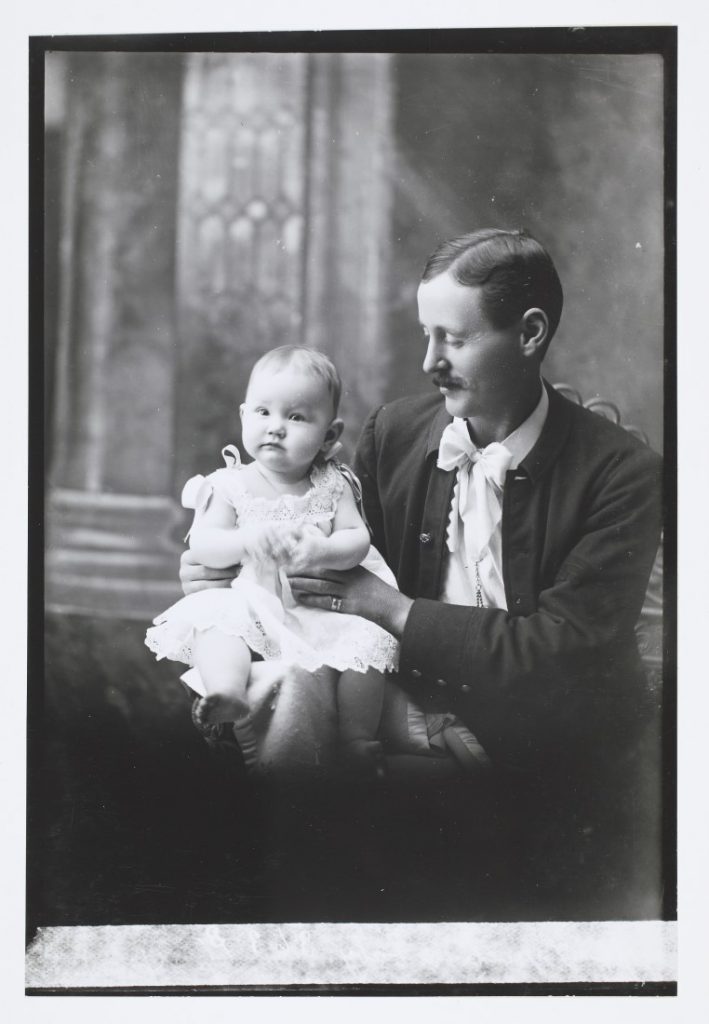
In honor of Father’s Day, please enjoy this selection of photographs of fathers with their children, taken from the Joseph Pennell photograph collection of Fort Riley and Junction City, Kansas.

Photograph of Sgt. Lynch with his baby, 1898
Sgt. Lynch with his baby, 1898. Just a year later, on October 6, 1899, the Junction City Union reported the death of Sgt. Lynch. He was killed in Cuba during the Spanish-American War. Joseph Judd Pennell Photograph Collection. Call Number: RH PH Pennell, Print 315, Box 10. Click image to enlarge (redirect to Spencer’s digital collections).
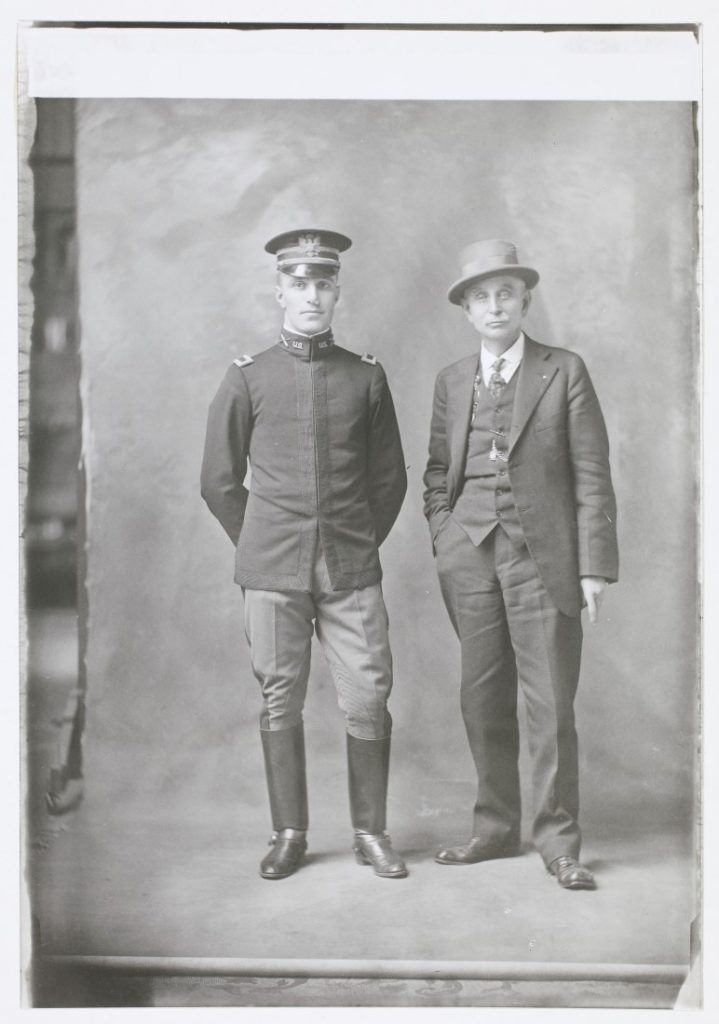
Photograph of D.N. Hicks with his son, Lieutenant Harold Hicks, 1914
D.N. Hicks with his son, Lieutenant Harold Hicks, 1914. Just a year before this photograph was taken, the Junction City Sentinel carried the obituary of Mrs. Hicks, wife and mother. Lieutenant Hicks went on to be promoted to Colonel. Joseph Judd Pennell Photograph Collection. Call Number: RH PH Pennell, Print 2748, Box 59. Click image to enlarge (redirect to Spencer’s digital collections).
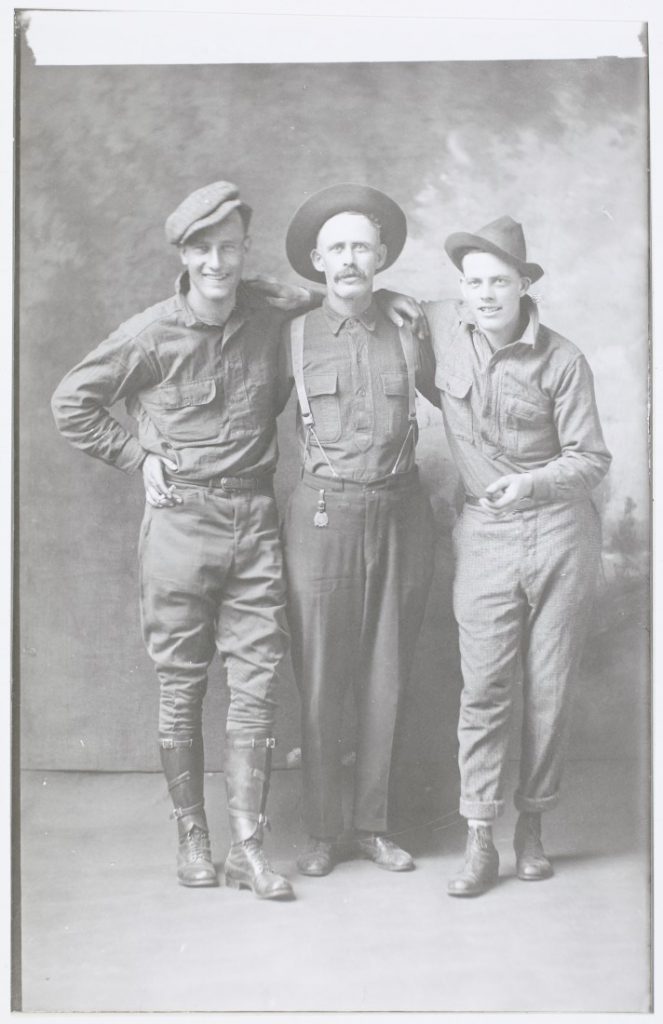
Photograph of John Orr with two of his sons, 1919
John Orr with two of his sons, 1919. The Orrs had three sons: John E. Orr, Jr., Wilbur and Roy. All three enlisted during World War I, and all three were wounded and gassed on the front in France, but survived the war. Joseph Judd Pennell Photograph Collection. Call Number: RH PH Pennell, Print 3074, Box 69. Click image to enlarge (redirect to Spencer’s digital collections).
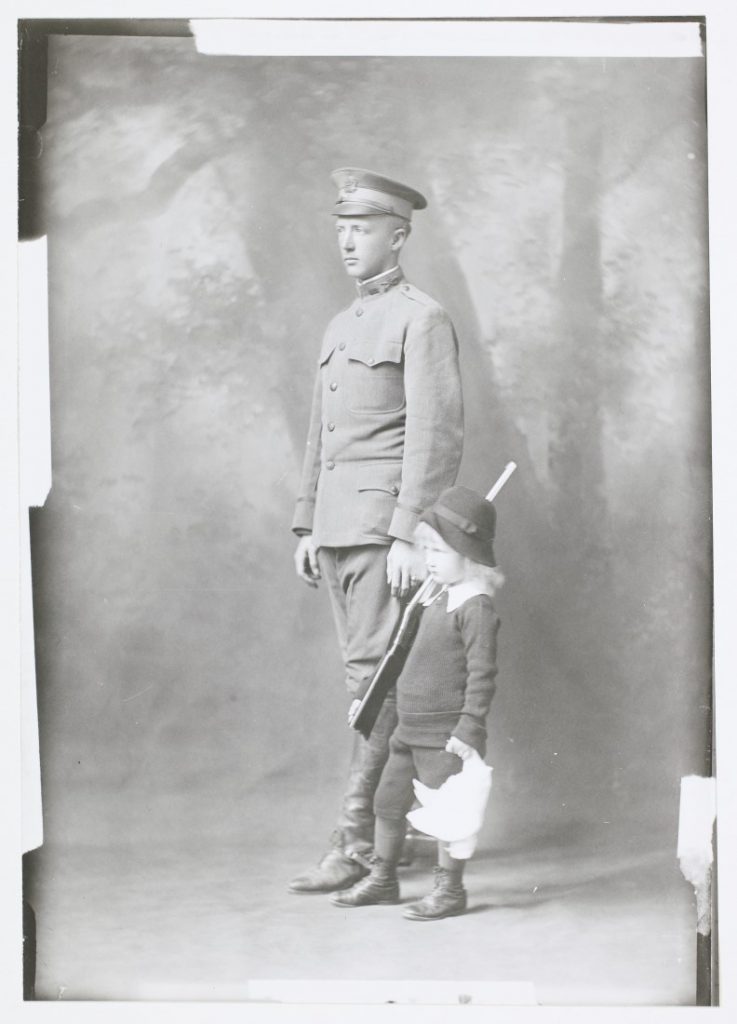
Photograph of Lieutenant George Patton with his daughter, Beatrice, 1914
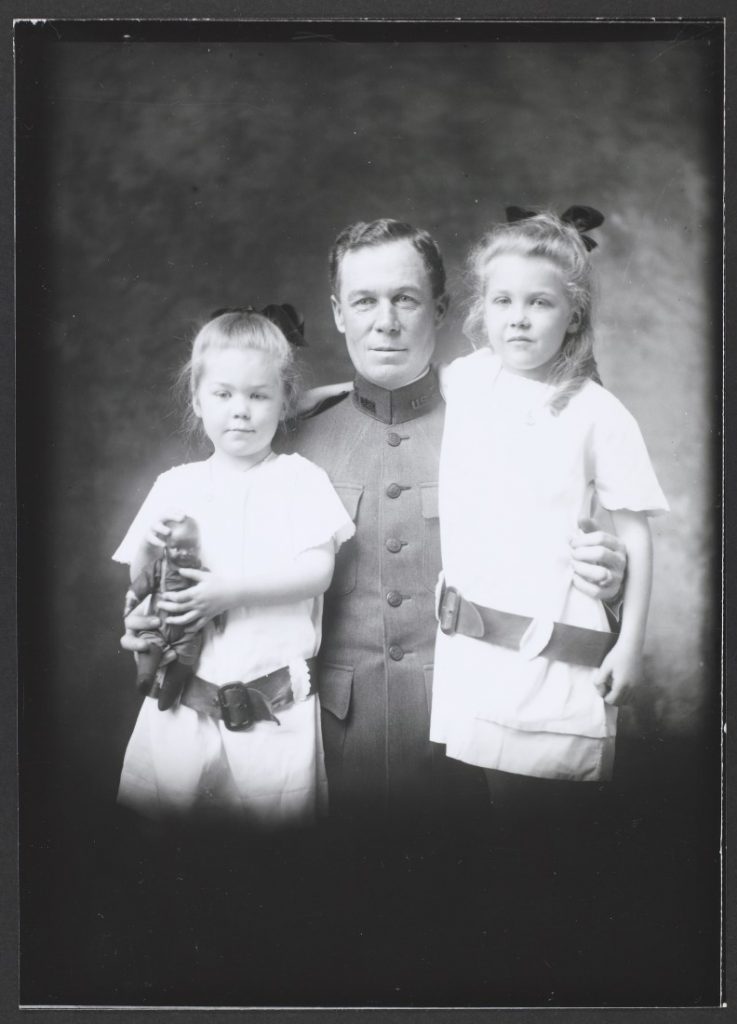
Lieutenant George S. Patton with his daughter, Beatrice, 1914. Patton was stationed at Fort Riley from 1913 to 1915. He was assigned to the Mounted Service School, and became the school’s first Master of the Sword, teaching a course in swordsmanship while a student. Patton would go on to become a general in command of the U.S. Seventh Army in the Mediterranean theater of World War II and the U.S. Third Army in France and Germany after D-Day. Joseph Judd Pennell Photograph Collection. Call Number: RH PH Pennell, Print 2759, Box 59. Click image to enlarge (redirect to Spencer’s digital collections).

More photographs from the Pennell Collection follow, but unfortunately no other information could be found about the people in them.

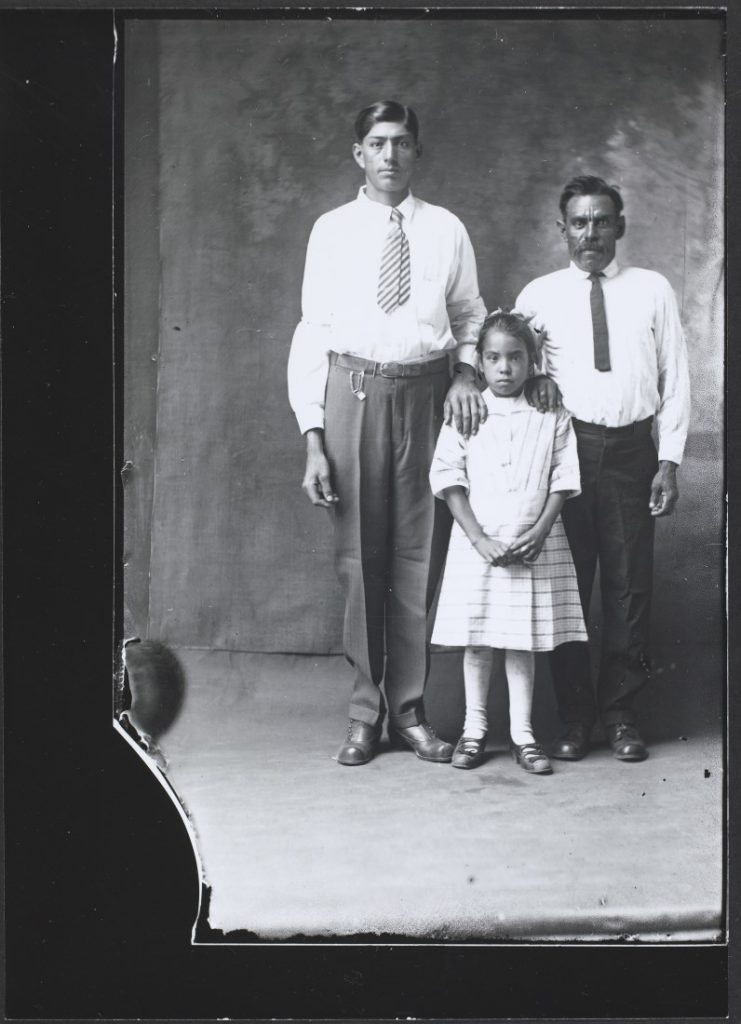
Photographh of the Lopez family, 1920-1921
The Lopez family, 1920-1921. Joseph Judd Pennell Photograph Collection. Call Number: RH PH Pennell, Print 3177.14, Box 72. Click image to enlarge (redirect to Spencer’s digital collections).
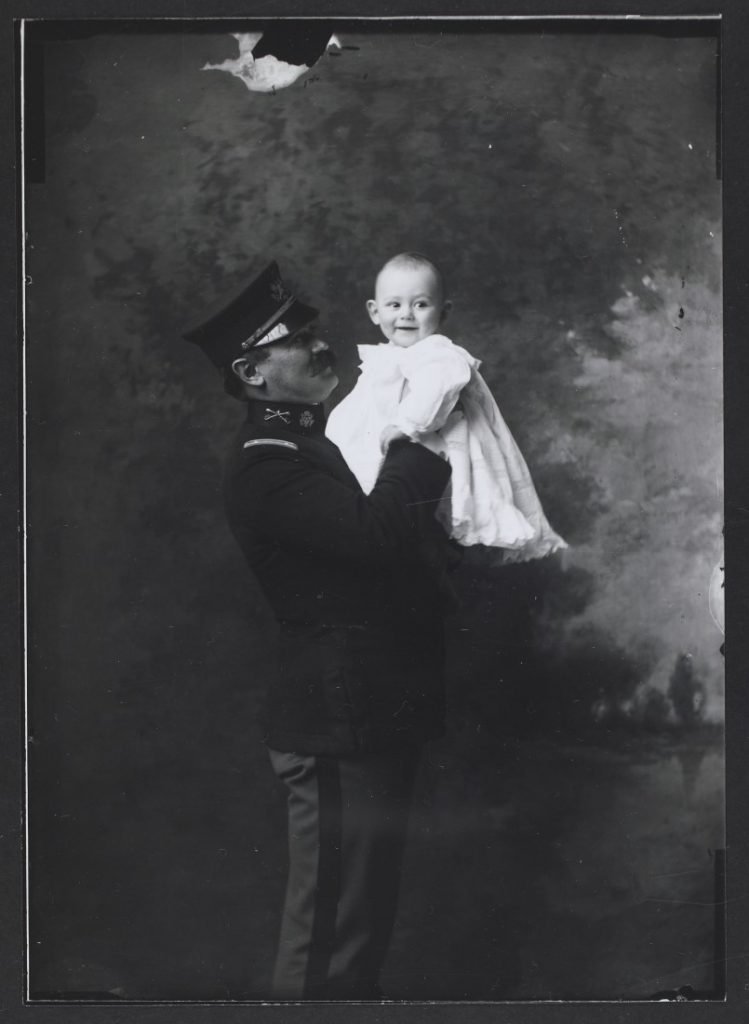
Photograph of Lieutenant Dorsey with his baby, 1902
Lieutenant Dorsey with his baby, 1902. Joseph Judd Pennell Photograph Collection. Call Number: RH PH Pennell, Print 918.1, Box 24. Click image to enlarge (redirect to Spencer’s digital collections).
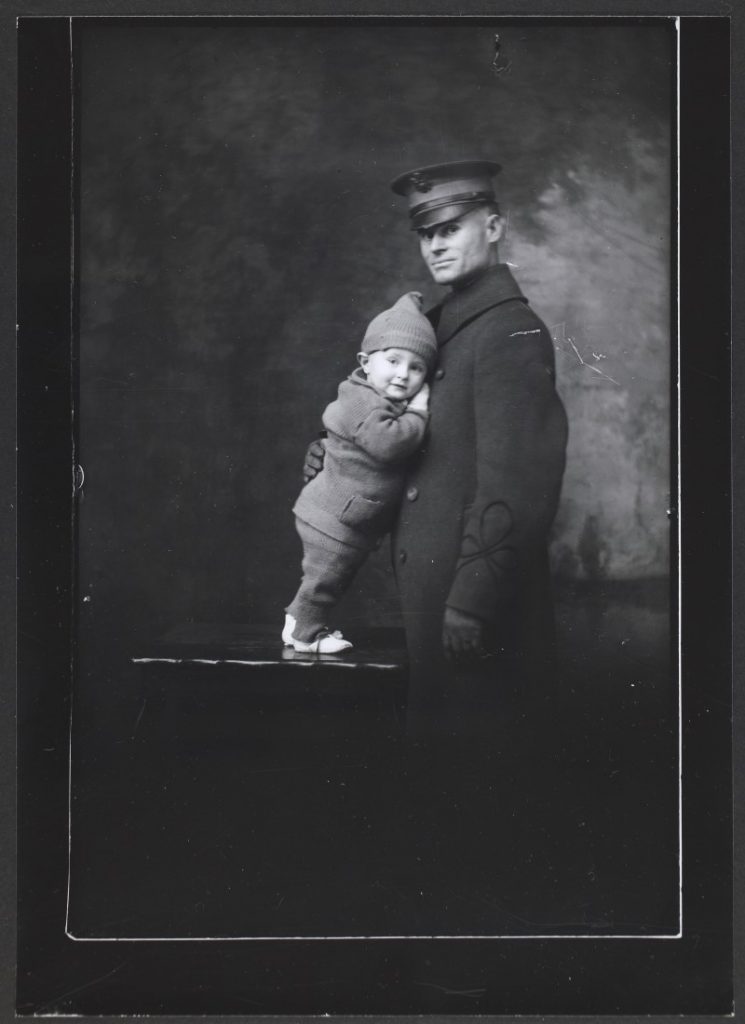
Photograph of Lieutenant R.L. Cox with his baby, 1920-1921
Lieutenant R.L. Cox with his baby, 1920-1921. Joseph Judd Pennell Photograph Collection. Call Number: RH PH Pennell, Print 3257.6, Box 74. Click image to enlarge (redirect to Spencer’s digital collections).
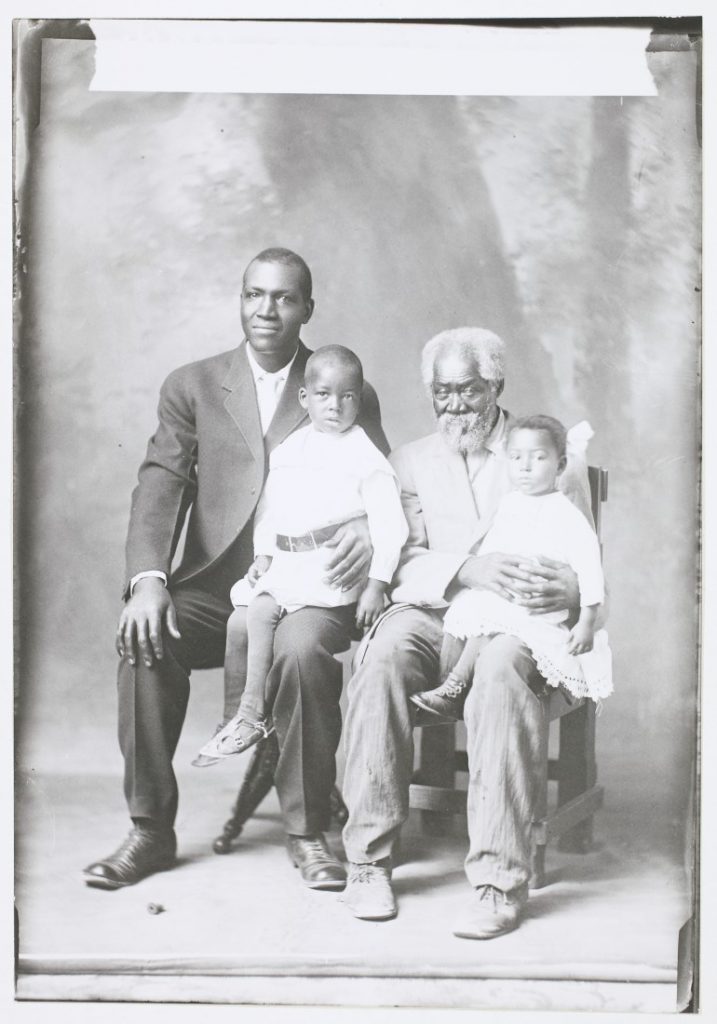
Photograph of Alex Johnson with members of his family, 1913
Alex Johnson with members of his family, 1913. Joseph Judd Pennell Photograph Collection. Call Number: RH PH Pennell, Print 2645, Box 56. Click image to enlarge (redirect to Spencer’s digital collections).
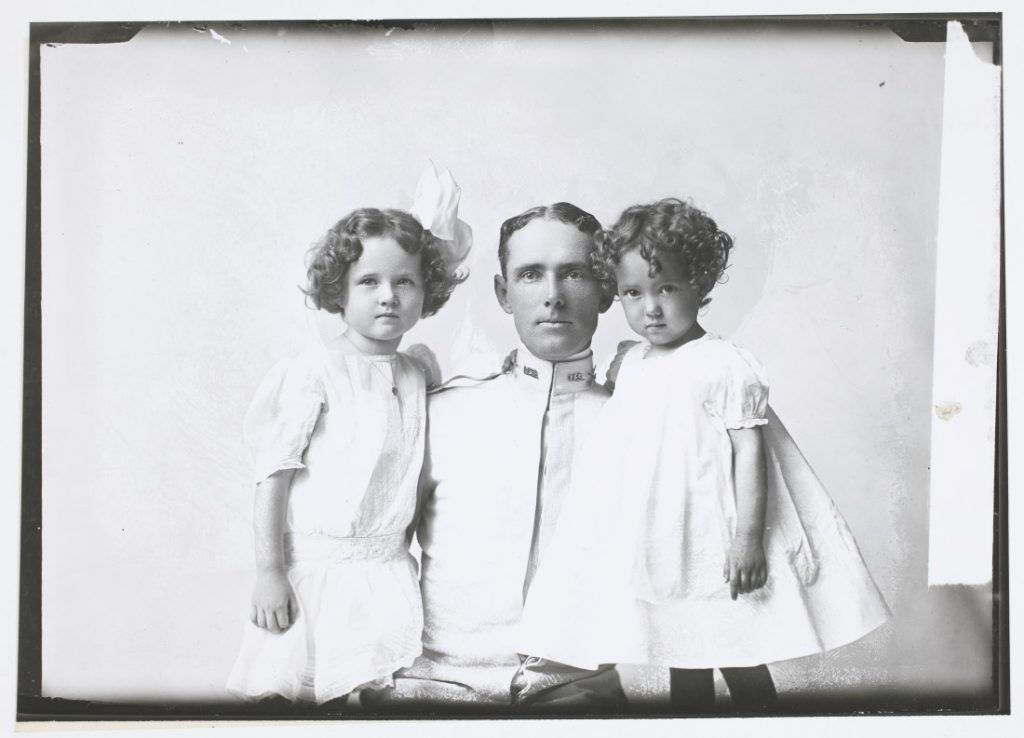
Photograph of Captain Kinnington with his daughters, 1909
Captain Kinnington with his daughters, 1909. Joseph Judd Pennell Photograph Collection. Call Number: RH PH Pennell, Print 2180, Box 47. Click image to enlarge (redirect to Spencer’s digital collections).
Photograph of Major Baird with his children, 1920-1921
Major Baird with his children, 1920-1921. Joseph Judd Pennell Photograph Collection. Call Number: RH PH Pennell, Print 3257.2, Box 74. Click image to enlarge (redirect to Spencer’s digital collections).

Kathy Lafferty
Public Services

A Conservator Working from Home, Continued

June 9th, 2020

It’s hard to believe it’s been almost three months since we began working from home. Since March 18, most University of Kansas employees have been working away from campus as we do our part to slow the spread of COVID-19. I wrote about how I filled my time for the first month of work-at-home back in April; it’s now June, so I thought I would check in with an update. 

Much like the first month of working from home, I’ve spent most of my time doing online learning, development, and outreach activities, with Zoom meetings and some hands-on work rounding out the mix. 

In the professional development area, I’ve attended or viewed no fewer than 18 webinars, online forums, and recorded talks on topics ranging from preservation and conservation, of course, to social justice, wellness, and all things COVID-19 related. Highlights for me have been the series of conservation webinars sponsored by ICON, the professional organization for conservators in the UK; these talks have given me lots of ideas to follow up on when a more “normal” way of working returns. I have also been enjoying attending the virtual AIC – that is the American Institute for Conservation – annual meeting. And an especially powerful Zoom panel hosted by USC on supporting black employees and colleagues provided an intensely personal view, unfiltered by media accounts or editorializing, of how the culture of racial injustice in our country affects black people every day. This most recent national outpouring of emotion about racial injustice has led me to commit consciously to doing my own work to educate myself about racial inequality and to seek out ways in which I can be an anti-racist ally in both my personal and professional life.

Three infographics showing statistics related to the productivity of student employees in Conservation Services department of KU Libraries.
I created these infographics (using the free online software Piktochart) to celebrate the amazing contribution that our student employees make to the work of Conservation Services and the Libraries. Click image to enlarge.

I have also been spending time online posting to social media (you can find me @midwestconservator on both Instagram and Tumblr) about what I’m working on at home, and following other conservators and library professionals who are also sharing their remote work activities. Preservation Week was April 26-May 2, and I had a lot of fun designing a series of special infographics to share during that week, focusing on the incredible volume and variety of work done by student employees in the Conservation Services department. I’ve stayed in touch and engaged with my colleagues in the Libraries and the conservation field through a lot of Zoom meetings as well as good old-fashioned emails and phones calls!

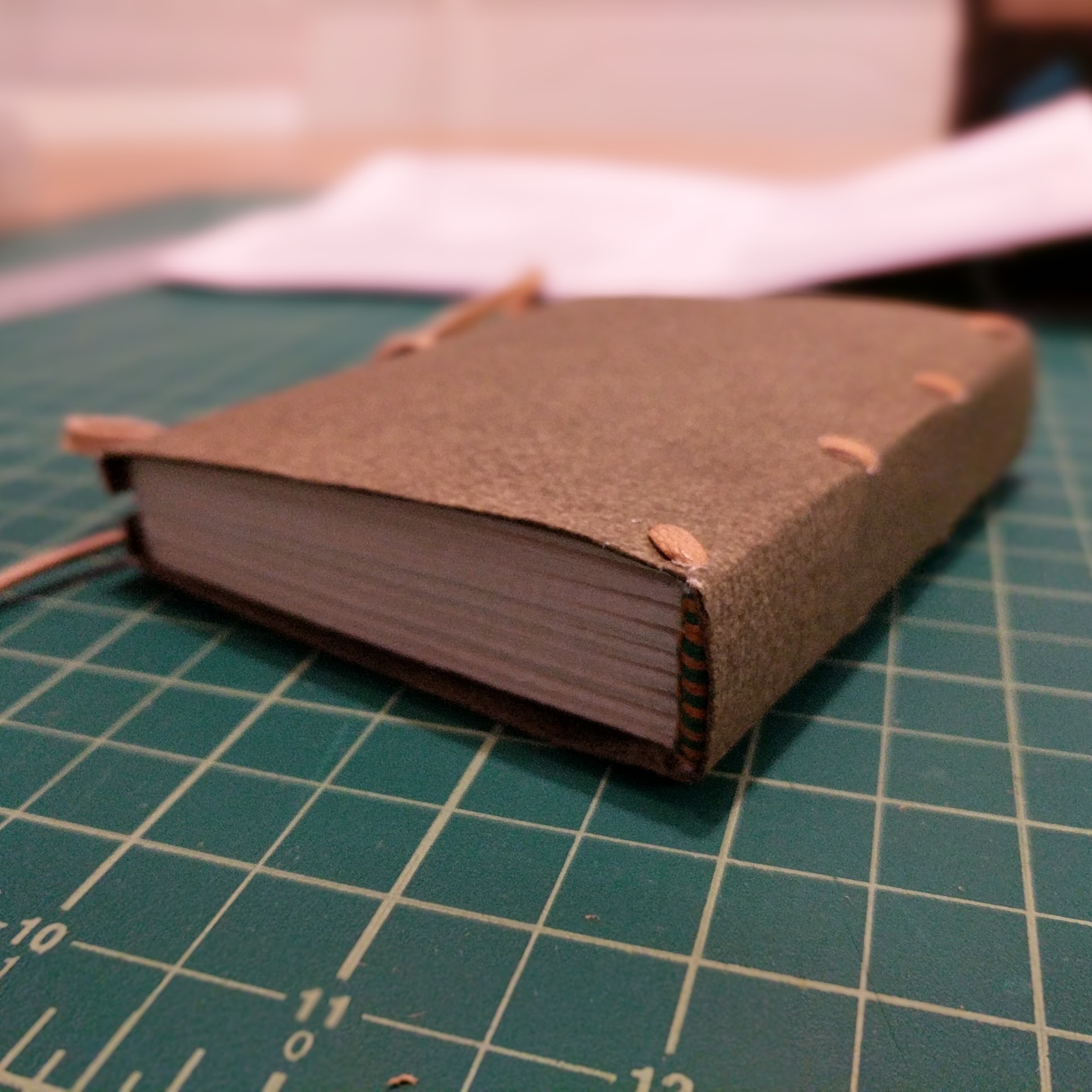
A small book lies on a cutting mat; the book is bound in the limp binding style, with a laced paper case, green and yellow endbands, and a fore-edge tie closure.
One of the limp binding models I have made while working from home, this one with a laced pastepaper cover and green and yellow endbands. Click image to enlarge.
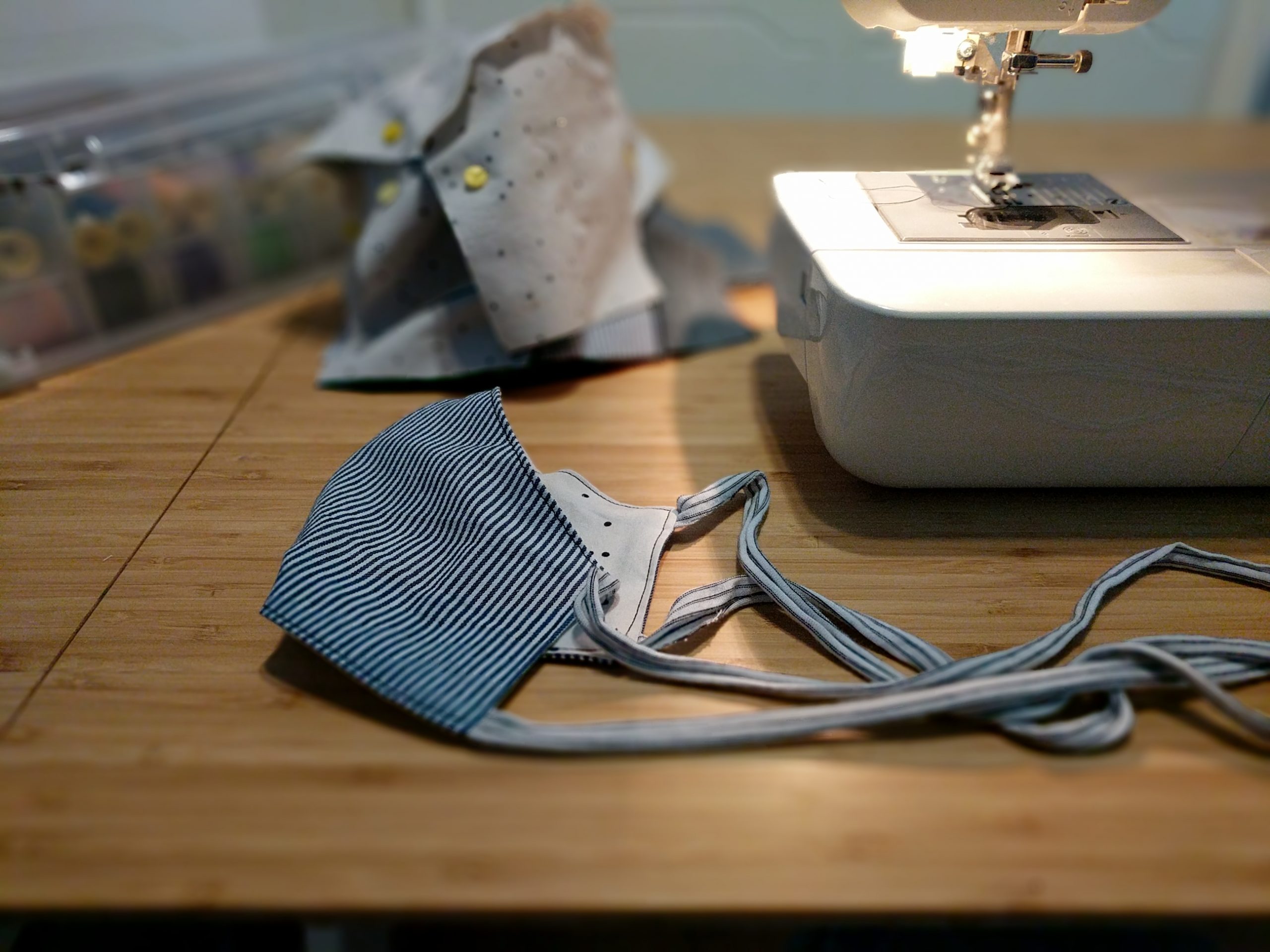
A handmade cloth face mask sits on a tabletop next to a sewing machine and other sewing supplies.
One of several face masks that I made in preparation for an eventual return to working in the lab. Click image to enlarge.

To balance all that online time, I’ve kept up with some hands-on projects, with my kitchen table serving as both office and workbench. I’ve been making some small models of limp bindings, and doing a lot of reading to go along with those. I’ve sewn some denim covers for bag weights, and made a small book futon to use at my bench in the lab. I also made myself a pile of masks to wear when I return to working in the lab. The return to campus will be phased, and early stages will certainly require use of face coverings in shared spaces such as the conservation lab. 

Angela Andres
Special Collections Conservator
Conservation Services

Meet the KSRL Staff: Molly Herring

June 3rd, 2020

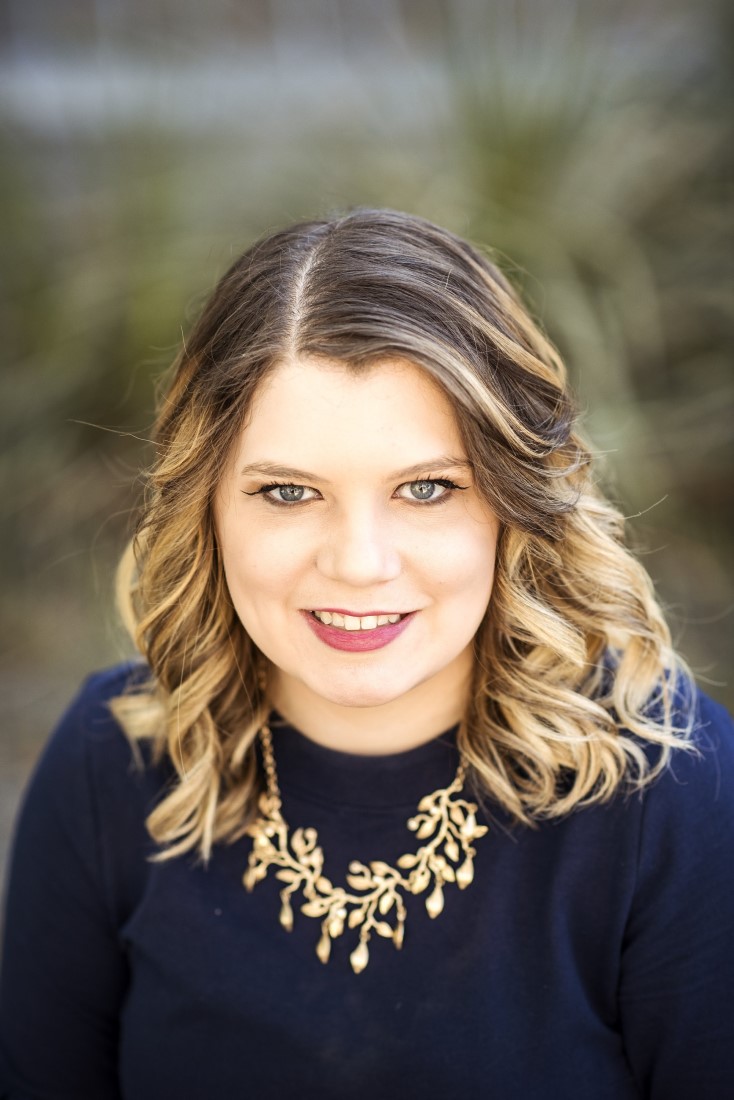
This is the latest installment in a recurring series of posts introducing readers to the staff of Kenneth Spencer Research Library. Today’s profile features Molly Herring, who joined Spencer in February as the Associate Archivist in University Archives.

Photograph of Associate Archivist Molly Herring
Associate Archivist Molly Herring. Click image to enlarge.
Where are you from?

I was born in the Kansas City area, but I moved around a lot growing up. My father was a Chaplin in the Army, and over the past twenty-five years I’ve lived in eleven states and fifteen cities, and I even spent three years living in Germany. However, I spent my senior year of high school in Kansas and went to college at KU, so Kansas really feels like my home state.

How did you come to work in archives?

I had always planned on going to library school after teaching for a few years (I got my bachelor’s degree in Secondary English education), although at that point I was thinking more along the lines of working in a public library. While researching programs, I began to learn more about the field of archives and decided it was the place for me! I decided to go to graduate school immediately after college, got my Master of Library and Information Science (MLIS) degree with a specialization in Archives and Information Science from the University of Pittsburgh in 2017, and then spent a couple of years working at the Indiana State Archives. I jumped at the opportunity to work in the University Archives, being a KU graduate myself as well as a fifth-generation Jayhawk.

What does your job at Spencer entail?

As the Associate Archivist, I appraise, accession, process, and manage records in all formats transferred to the custody of the University Archives. I answer research questions submitted by both on- and off-site patrons, participate in outreach services (such as exhibits, blog posts, etc.), work with donors who wish to give materials to the Archives, and collaborate with Digital Initiatives and Processing on digital collections management. Over the past couple months, as I’ve worked from home during the COVID-19 pandemic, I have devoted much time to working with Digital Initiatives and other Spencer Library staff on the University’s web archives.

What is one of the most interesting items you’ve come across in Spencer’s collections?

There are so many interesting items in the Archives its hard to pick one! One of my favorite things to tell people we have is a vial of uranium from the Manhattan Project. Another object I love is a wooden Jayhawk that was carved by a German POW who was sent to Kansas during World War II. On a more personal note I found some wonderful information on my great-great grandmother. She was the Women’s Student Government President in 1913 and, as an alumna, helped start KU’s chapter of the Alpha Chi Omega sorority, which I was a member of while at KU.

What part of your job do you like best?

My job entails a lot of different parts, which is something I really enjoy! I learn something new every day, and one day is never like the other. Also, although it’s a small part of my job, I really enjoy working on exhibits. It’s a wonderful way to get to know the collections and learn more about KU’s history.

What are some of your favorite pastimes outside of work?

I enjoy working on embroidery projects, baking, being outdoors, spending time with friends and family, and of course reading (sci-fi and fantasy in particular).

What piece of advice would you offer a researcher walking into Spencer Research Library for the first time?

Don’t be afraid to ask questions, and as many as you need to! Researching in special collections and archives can feel daunting, but we’re here to help!

Molly Herring
Associate Archivist, University Archives

Manuscript of the Month: A Fifteenth-Century Compendium of Illustrious Men

May 26th, 2020

N. Kıvılcım Yavuz is conducting research on pre-1600 manuscripts at the Kenneth Spencer Research Library. Each month she will be writing about a manuscript she has worked with and the current KU Library catalog records will be updated in accordance with her findings. 

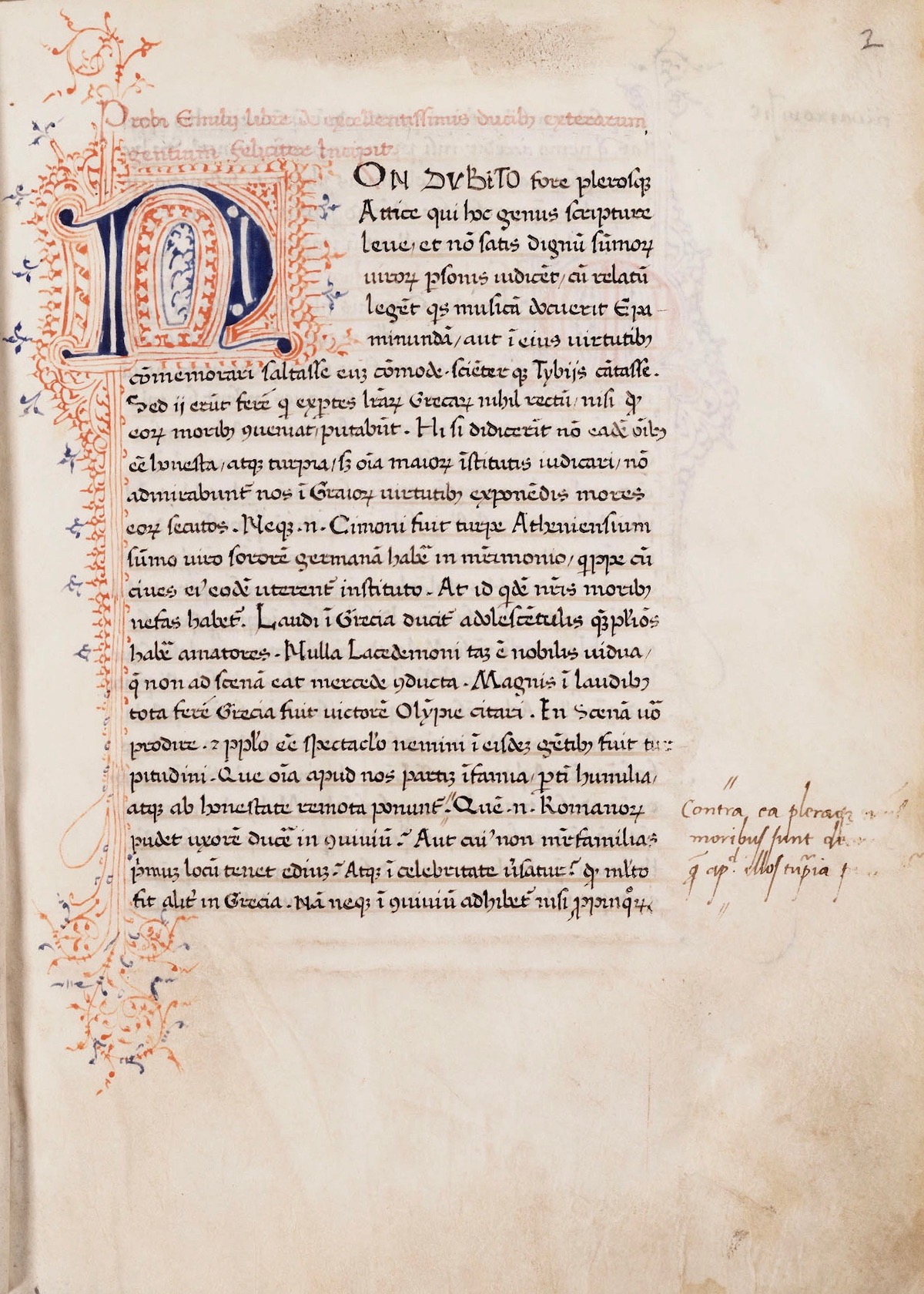
Kenneth Spencer Research Library MS D13 is a fifteenth-century manuscript that includes two works, both of which contain short biographies of classical historical figures. The first work is attributed to the fourth-century grammarian Aemilius Probus with the following rubric:“ Probi Emilii liber de excellentissimis ducib[us] exterarum gentium felicer incipit” (“Aemilius Probus’s book, ‘On the Most Eminent Generals of Foreign Peoples,’ happily begins”). The second one, on the other hand, is assigned to the first-century natural scientist Pliny the Elder with the following rubric: “Plinii Veronensis de viris illustrib(us) liber incipit feliciter in no(m)i(n)e d(omi)ni” (“Pliny of Verona’s book, ‘On the Illustrious Men,’ happily begins in the name of the Lord”). Both of these attributions, to Aemilius Probus and Pliny the Elder respectively, are in fact incorrect.

Even though the first work is attributed to Aemilius Probus in many of the surviving manuscripts, including MS D13, it is believed that the work known with the title De excellentibus ducibus exterarum gentium (“On the Eminent Generals of Foreign Peoples”) is part of a larger work by Cornelius Nepos, an author of the late first century BCE who himself was from Verona. This larger work, titled De viris illustribus (“On Illustrious Men”), is thought to have comprised at least sixteen books but not much has survived intact other than the De excellentibus ducibus exterarum gentium. The second work, attributed to “Pliny of Verona” in a number of medieval manuscripts, including MS D13, is usually titled the De viris illustribus urbis Romae (“On Illustrious Men of the City of Rome”). It once was thought to have been written by the fourth-century author Sextus Aurelius Victor, but is now believed to have been composed by an anonymous author of the fourth century referred to as pseudo-Sextus Aurelius Victor.

Image of the Beginning of the De excellentissimis ducibus exterarum gentium, with decorative blue and red initial (fol. 2r) Italy, fifteenth century.
Beginning of the De excellentissimis ducibus exterarum gentium. Italy, fifteenth century. Call # MS D13. Click image to enlarge. See additional images from this manuscript in the Digital Scriptorium.
Image of Beginning of the De viris illustribus, with illuminated initial (folio 66 recto). Italy, fifteenth century. Call# MS D13.
Beginning of the De viris illustribus. Italy, fifteenth century. Call # MS D13. Click image to enlarge. See additional images from this manuscript in the Digital Scriptorium.

In MS D13, the De excellentibus ducibus exterarum gentium opens with a preface and includes twenty-three biographies ranging from that of Miltiades (around 555–489 BCE), the Athenian general who defeated the Persians at the Battle of Marathon, to that of Hannibal (247–183/181 BCE), the Carthaginian general who commanded the army of Carthage against Rome during the Second Punic War. The De viris illustribus urbis Romae follows the De excellentibus ducibus exterarum gentium with no preface, and includes seventy-seven somewhat shorter biographies beginning with that of Procas, the great grandfather of Romulus and Remus, founders of Rome, and ending with Pompey the Great, a leading Roman general of the first century BCE. Ordinarily, this work has eighty-six biographies.

Even though the decorated initials that open each work in MS D13 are in starkly different styles, the manuscript was probably written by a single scribe. It was also very well planned, consisting of nine quires of ten leaves each (the final leaf, which was probably blank is missing). There is no indication that there were other texts before or after either of the two works. Therefore, it may be argued that the scribe had carefully planned to copy both of these works one after the other and intended to create this larger book of biographies by juxtaposing these two works.

John C. Rolfe, the translator of the Loeb edition to the text states that “Nepos arranged his biographies in groups of two books each. The first book of every group included the distinguished men of foreign nations, for the most part Greeks; the second, those of Rome. From references of Nepos himself and others the categories of generals, historians, kings and poets have been determined” (“Introduction,” ix). The argument that the book on the generals of foreign peoples was supposed to be followed by a book on the Roman generals is also supported by the closing words of the De excellentibus ducibus exterarum gentium:

Sed nos tempus est huius libri facere finem et Romanorum explicare imperatores, quo facilius, collatis utrorumque factis, qui viri praeferendi sint possit iudicari.

But it is time for us to put an end to this book and give an account of the Roman generals, to make it easier, with the deeds of both gathered together, to judge which men ought to be given the higher rank.

Thus, the fact that in MS D13 the book on the generals of foreign peoples by Nepos, which has survived, is followed by a series of illustrious individuals from Roman history, somewhat restores the work back to its original form, to the way it was intended to be read.

Unfortunately, P. K. Marshall, who wrote the most detailed study of the manuscript tradition of the De excellentibus ducibus exterarum gentium, did not comment on MS D13, even though he indicated that he had examined the manuscript. In his 1977 study, Marshall lists 86 witnesses to the text including MS D13, two of which had already been lost. He does not, however, comment on what other texts are contained in the manuscripts that include the De excellentibus ducibus exterarum gentium. In addition, to my knowledge there is no detailed study of the manuscript transmission of the anonymous De viris illustribus urbis Romae other than the brief discussion included in the Teubner edition. Thus, we do not know how common it was to cut the text short and not include all the eighty-six biographies. Similarly, we do not know which other works the De viris illustribus urbis Romae was associated with in the manuscripts. It would be interesting to see whether the two works found in MS D13 are arranged in the same way in other surviving manuscripts or whether this was the idea of the compiler of this particular manuscript.

The Kenneth Spencer Research Library purchased the manuscript from William Salloch in 1956, and it is available for consultation at the Library’s Marilyn Stokstad Reading Room when the library is open.

  • See the edition and translation of the De excellentibus ducibus exterarum gentium: Cornelius Nepos. On Great Generals, On Historians. Trans. John C. Rolfe. LCL 467. Cambridge, MA: Harvard University Press, 1984. ISBN: 978-0-674-995-514-7.
  • See the edition of the De viris illustribus: Sexti Aurelii Victoris Liber de Caesaribus; praecedunt Origo gentis romanae et Liber de viris illustribus urbis Romae, subsequitur Epitome de Caesaribus. Ed. Franz Pichlmayr. Leipzig: B. G. Teubner, 1911. Public domain.
  • Read about the manuscripts of the De excellentibus ducibus exterarum gentium: P. K. Marshall. Institute of Classical Studies Bulletin Supplement No: 37: The Manuscript Tradition of Cornelius Nepos. February 1977.

N. Kıvılcım Yavuz
Ann Hyde Postdoctoral Researcher

Follow the account “Manuscripts &c.” on Twitter and Instagram for postings about manuscripts from the Kenneth Spencer Research Library.