Meet Josefina at Spencer Research Library
September 4th, 2026As an elder millennial who loved history as a child and grew up with American Girl, I’ve been excited about the company’s 40th anniversary this year. As a result, I will be sharing a series of posts highlighting Spencer collection materials that connect to AG’s six original historical characters, in chronological order of when they “lived”: Felicity Merriman, Josefina Montoya, Kirsten Larson, Addy Walker, Samantha Parkington, and Molly McIntyre. Each post will focus on a different character and explore a selection of items that relate to the time and place in which she “lived” and topics or themes explored in her stories.
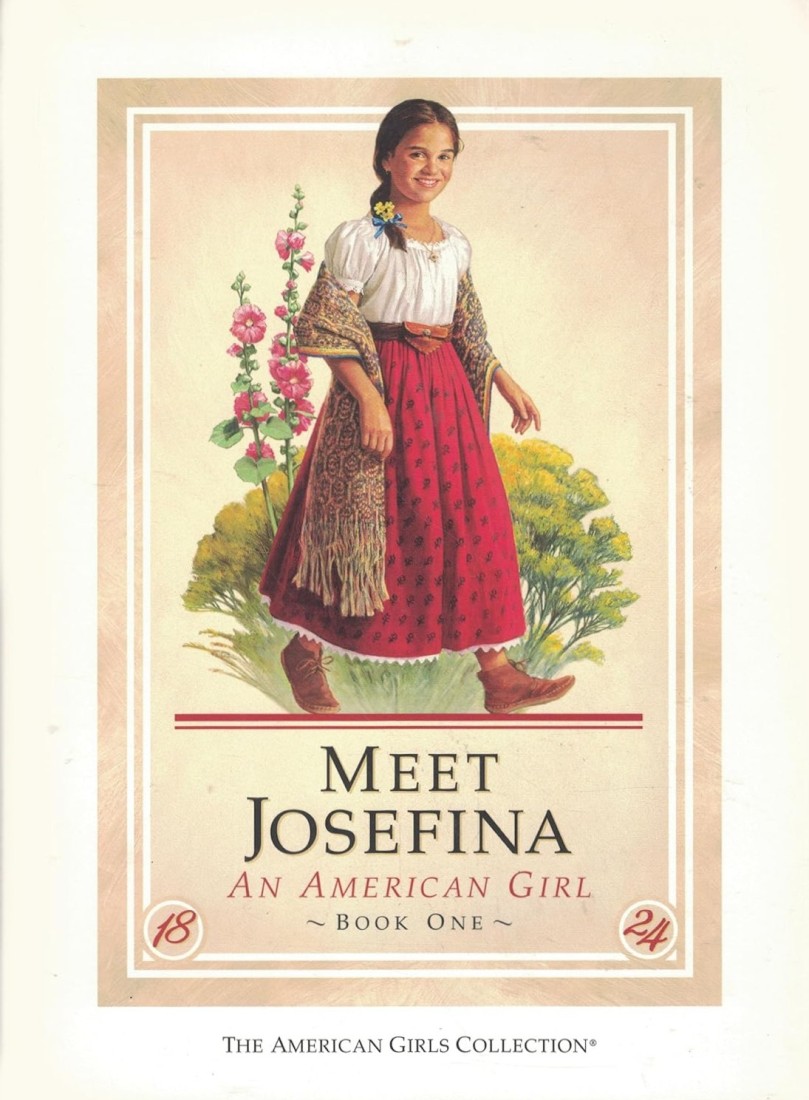
When readers meet Josefina Montoya, she is a nine-year girl described as having a big heart and big hopes. She lives with her father and sisters on a ranch outside Santa Fe, New Mexico – then part of Mexico – in 1824. Josefina’s stories are set against the backdrop of Mexico’s recent independence from Spain, and a significant plot point is the arrival of Americans via the Santa Fe Trail (which passed through Douglas County, Kansas, roughly fifteen miles south of Lawrence and KU). Throughout her stories, Josefina grieves and remembers her deceased mother; adjusts to changes at the ranch brought about her aunt, Tía Dolores; deals with goats, including her nemesis Florecita and the orphaned baby goat Sombrita; and starts the journey of becoming a curandera (healer).
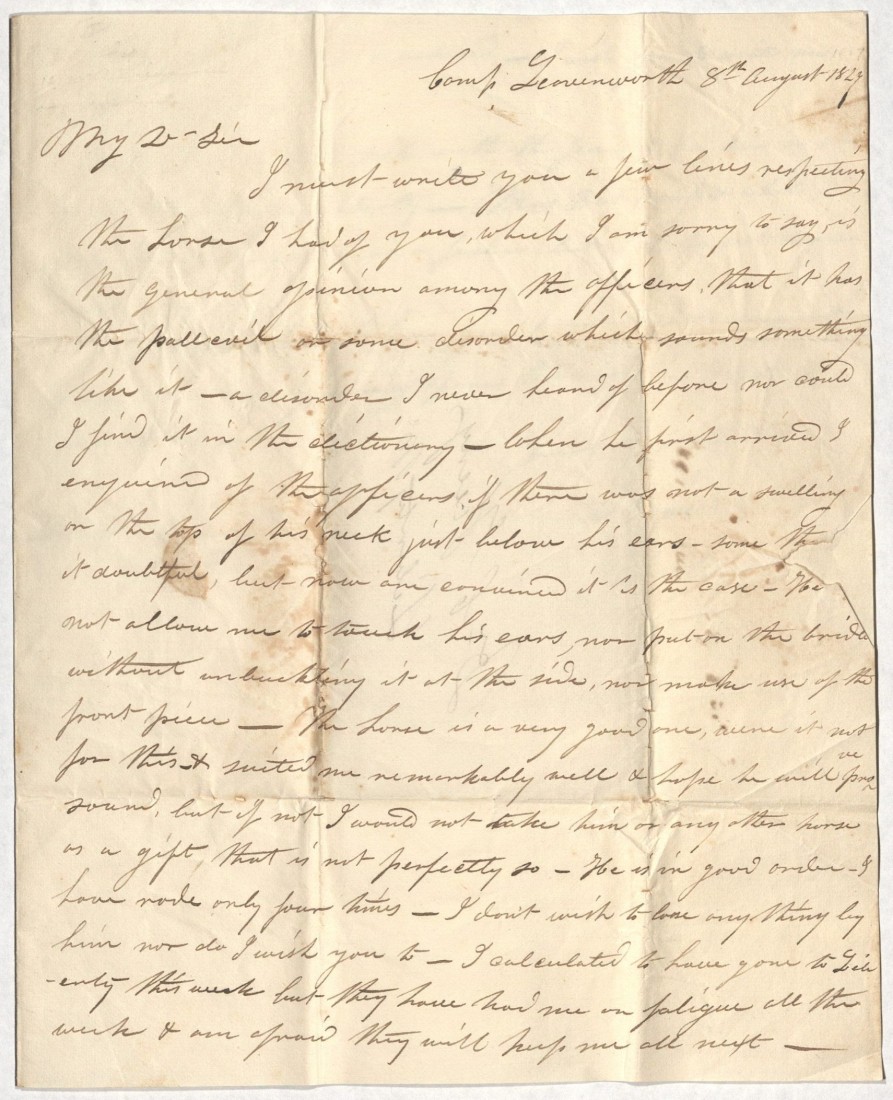
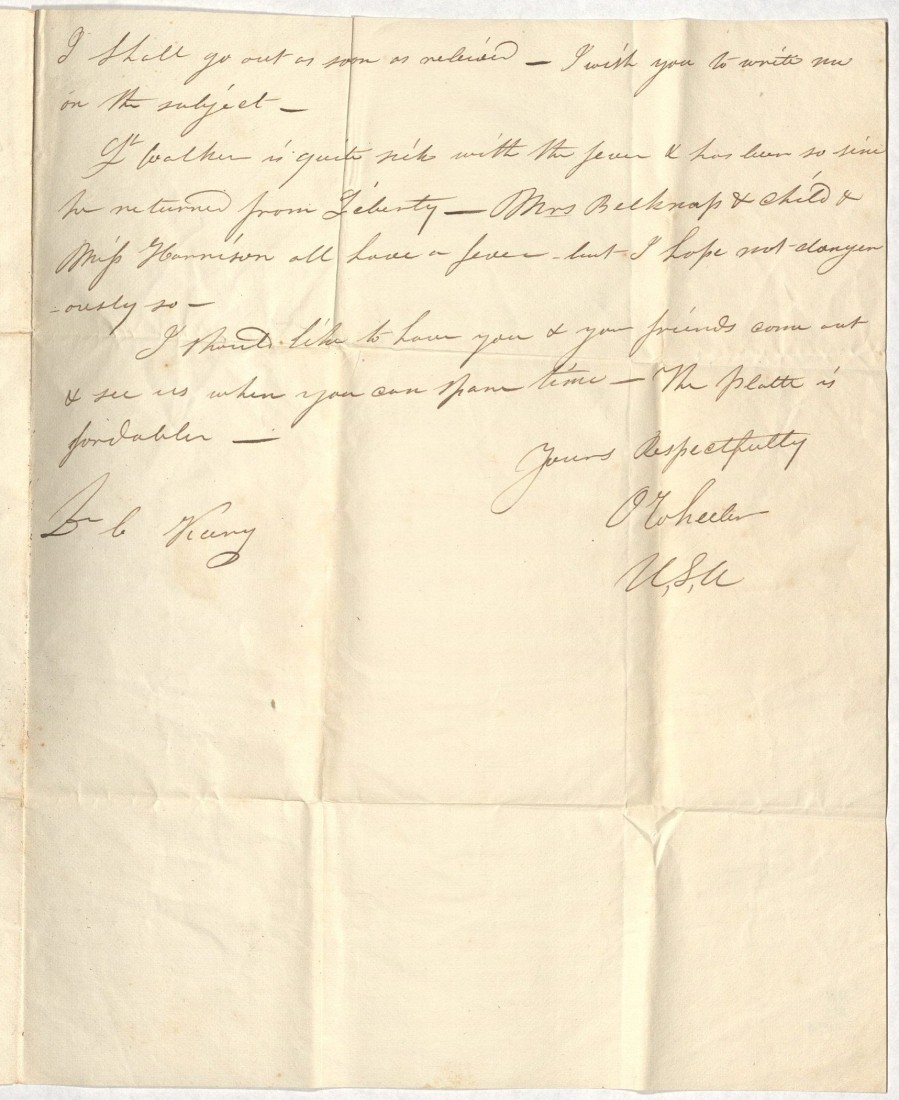
A letter from O. Wheeler, Camp Leavenworth, Kansas, to Dr. C. Keeny, Liberty, Missouri, August 8, 1827. Most of the letter concerns a “disorder” or illness affecting Wheeler’s horse. The U. S. Army established Camp (now Fort) Leavenworth in 1827, the same year this letter was written, to serve as a forward base protecting the Santa Fe Trail. Call Number: RH MS P174.
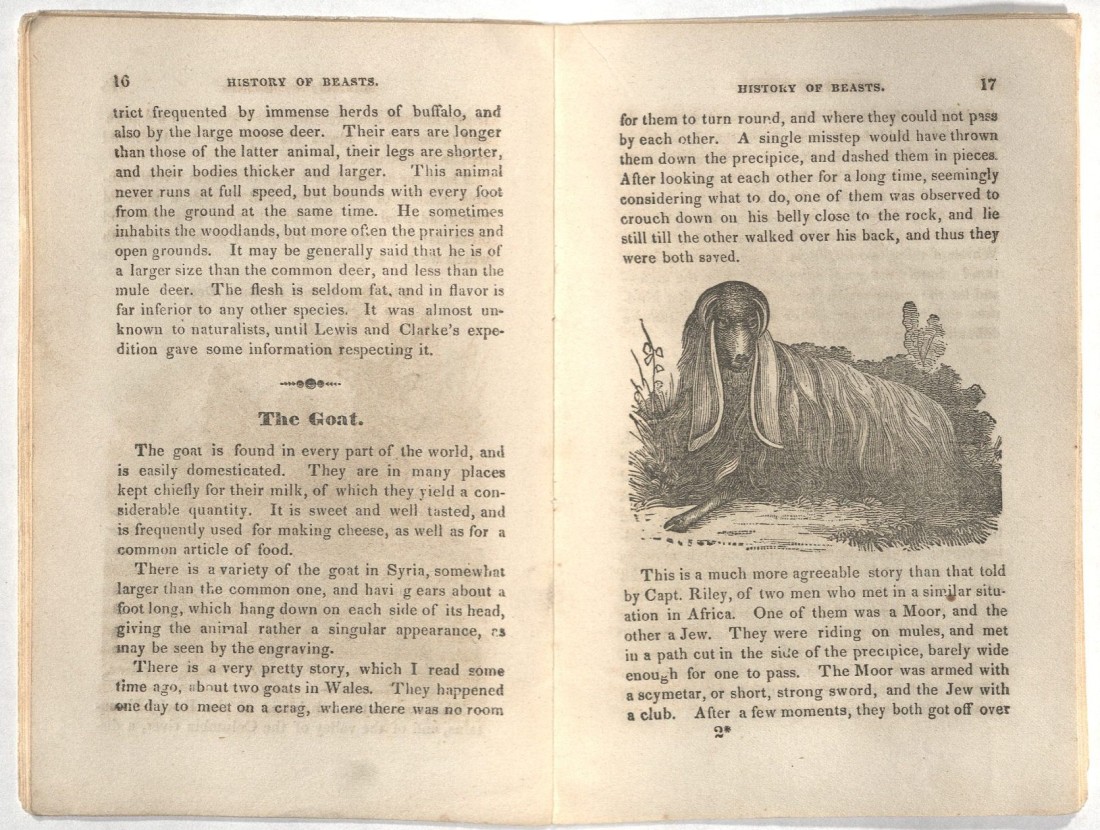
Selected Additional Collection Items
Maps
- Regni Mexicani seu Novæ Hispaniæ, Floridæ, Novæ Angliæ, Carolinæ, Virginiæ, et Pennsylvaniæ, nec non insvlarvm archipelagi Mexicani in America septentrionali [The Kingdom of Mexico, or New Spain, Florida, New England, the Carolinas, Virginia, and Pennsylvania, as Well as the Insular Archipelago of Mexico in North America] by Johann Baptist Homann, 1722. Call Number: Orbis Maps 1:60.
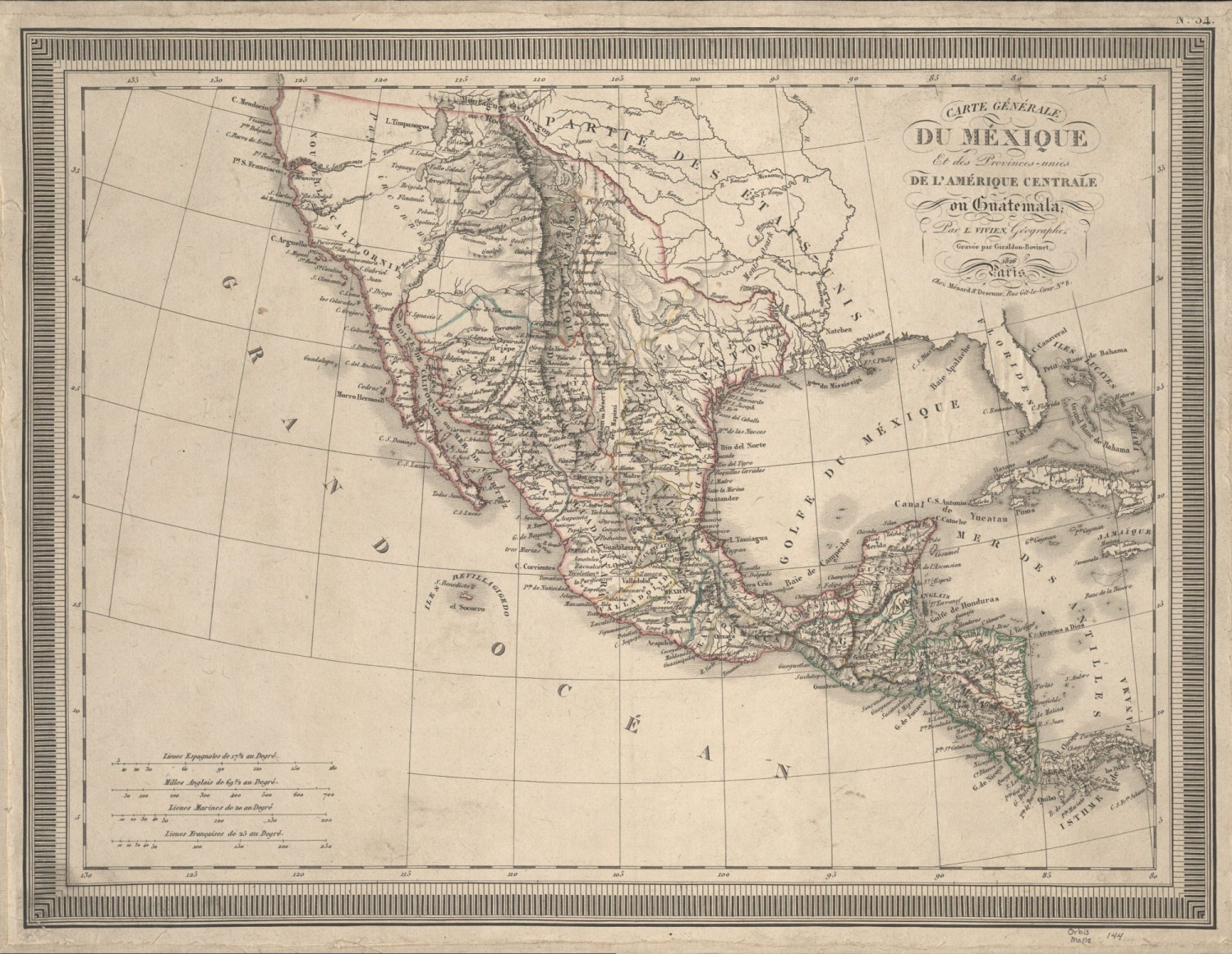
- A Map of Louisiana and Mexico = Carte de la Louisiane et du Mexique, 1820. Call Number: Orbis Maps 1:134.
- Map of the Western Territory of the United States by Lt. Enoch Steen. Coverage includes Indian lands from 80 miles east of Leavenworth to 50 miles west of Pikes Peak and Black Hill to Santa Fe. Call Number: RH Map S31.
- A Map of the Indian Territory, Northern Texas and New Mexico: Showing the Great Western Prairies by Josiah Gregg, from Commerce of the Prairies, 1844. Call Number: RH Map Q57.
- Mapa de los Estados Unidos de Méjico [Map of the United States of Mexico], 1847. Call Number: Orbis Maps 2:61.
- Map of Santa Fe County, New Mexico, 1880s? Shows railroads and pre-European pueblos in and near Santa Fe County. Call Number: RH Map R529.
New Spain and Mexico
- Exploratory Travels Through the Western Territories of North America by Zebulon Pike, 1811. During his 1806-1807 expedition to the region south and west of the Louisiana Purchase, Pike ended up in Spanish territory. His party was captured by Spanish soldiers, and their subsequent journey took them through Santa Fe. Call Number: D678.
- Memoirs of the Mexican Revolution: Including a Narrative of the Expedition of General Xavier Mina by William Davis Robinson, 1820. Call Number: Howey C4191.
- Six Months’ Residence and Travels in Mexico by William Bullock, 1824. Call Number: Ellis Aves C207.
- A View of South-America and Mexico, Comprising Their History, the Political Condition, Geography, Agriculture, Commerce, &c. by John M. Niles, 1825. Call Number: B11232.
New Mexico, Santa Fe, and the Santa Fe Trail
- The Daily New Mexican newspaper, published in Santa Fe, 1880-1881. Call Number: RH H24.
- Santa Fe: Ancient and Modern, Including Its Resources and Industries edited by W.G. Ritch, 1885. Call Number: RH C1375.
- Southwest on the Turquoise Trail: The First Diaries on the Road to Santa Fe edited by Archer Butler Hulbert, 1933. Call Number: RH C451.
- Historic Santa Fe, Founded About 1525: Oldest Town in the United States: The End of the Old Santa Fe Trail, 1940s? Call Number: RH AK121.
- Santa Fe Trail: First Reports, 1825 by Augustus Storrs and Alphonso Wetmore, 1960. Call Number: RH B1126.
Household Matters
- Quatro libros de la naturaleza, y virtudes de las plantas, y animales que estan receuidos en el uso de medicina en la Nueua España [Four Books on the Nature and Virtues of Plants and Animals for Medicinal Purposes in New Spain] by Francisco Hernandez, 1615. Call Number: Summerfield B2225.
- Mexican recipes, early 1800s. This is a collection of culinary recipes – written in various hands and mostly undated – that appear to be from central and southern Mexico. The collection was previously featured on Spencer’s blog. Call Number: MS 346.
- A New Dictionary of the Spanish and English Languages compiled by by Henry Neuman, 1823. Call Number: C26852.
- El cocinero mexicano, o Coleccion de las mejores recetas para guisar al estilo americano [The Mexican Cook, or Collection of the Best Recipes for Cooking in the American Style], volume 3 only, 1831. This work is one of two cookbooks from 1831 that are considered the first on Mexican cuisine published in Mexico. Call Number: B14945.
Caitlin Klepper
Public Engagement Librarian