Inaugural Bergeron-Souza Exhibition: Aging, Art and Activism: Reimagining Our Aging Futures through Creative Representations and Personal Narratives
March 25th, 2026During Fall of 2025, my Dean in KU’s School of Social Welfare forwarded an announcement to our faculty from Kenneth Spencer Research Library, calling for submissions to the newly established Bergeron-Souza Exhibit Program. At the time, I had only visited the library once for a special event and had come away with some mild curiosity about what other archival materials one might access there.
I immediately had an idea about using this guest curation opportunity to showcase artwork from a digital archive I had been managing for several years, the Untold Stories of Aging exhibition of aging-focused artwork from intergenerational creators. I was intrigued by the possibility of showing the work in a display setting that would focus not only on the pieces’ artistic merit, but also on their commentary on aging as a universal human experience. By putting contemporary artwork into conversation with archival materials, I envisioned bringing to life a deeper and richer narrative about the ways in which artistic representations of aging motivate us to envision our own futures in more expansive ways and inspire us to action – individual and collective – to realize those futures.
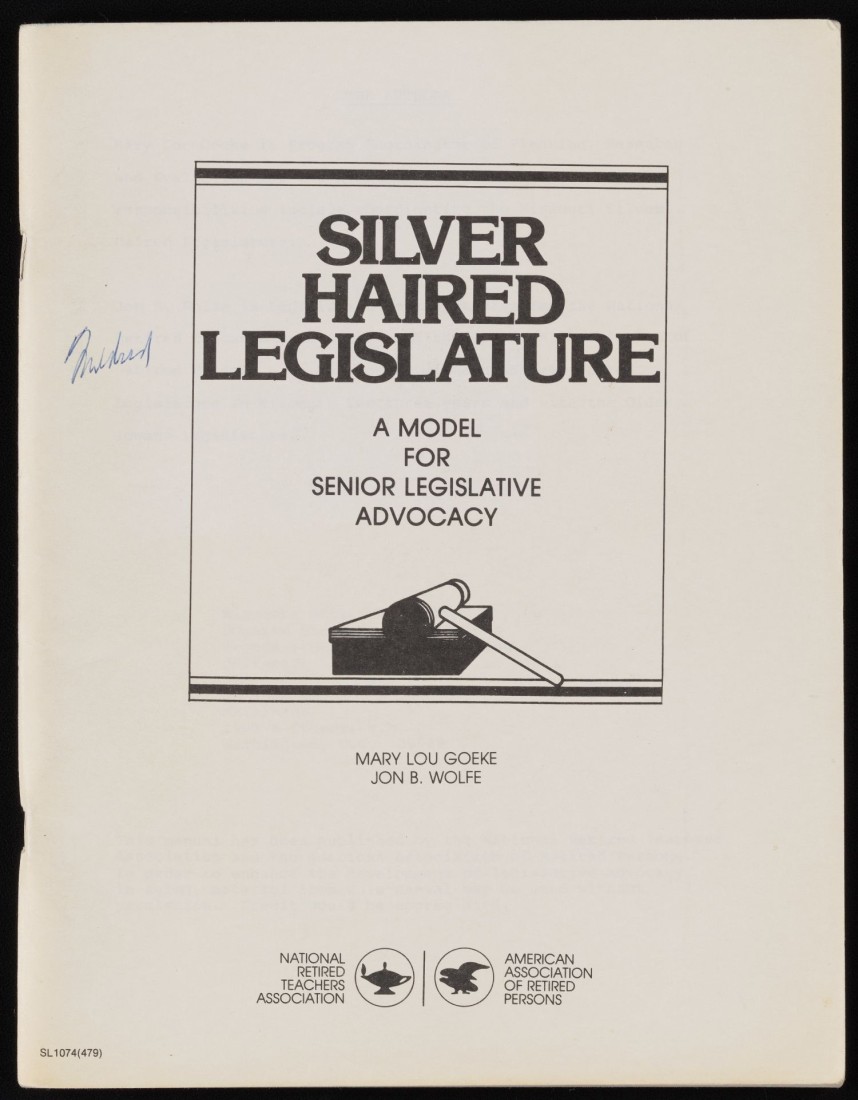
What followed was a loosely guided and ever evolving process of uncovering what the research library had to offer. I, along with my PhD Graduate Research Assistant Zhiqi Yi, perused over 100 boxes worth of material as well as dozens of individual artifacts sourced from various collections. There were the 20 or so boxes documenting the extensive efforts of long-time activist Mildred Harkness, who seemed to have her hands in all things aging within Kansas over the span of several decades. There were the seemingly endless boxes from the Jayhawk Area Agency on Aging. There were dozens of memoirs, artistic works, books, and essays penned and created by older adults that we requested, never really sure where they would lead.

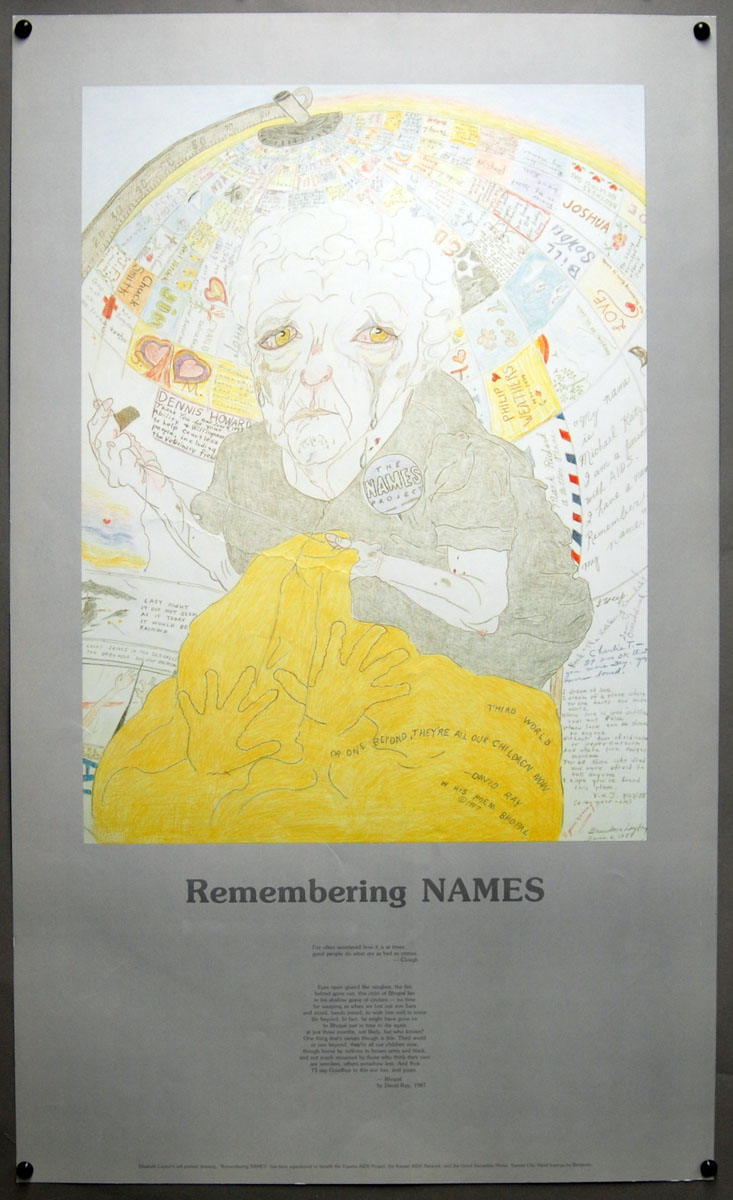
Some discoveries were more impactful than others. Having viewed the artistic drawings of Elizabeth “Grandma” Layton over the past decade, it was a tremendous joy to find that the library had archived over a dozen boxes of her personal documents, photographs, news clippings, exhibition flyers, and reprinted artwork. I read her memoir alongside her personal documentation, interweaving a rich storyline between the individual artifacts. Having begun drawing at the age of 68, Layton’s drawings document her struggles with and victory over mental illness. She often credited her discovery of blind contour drawing with having healed her life-long depression, illustrating the rich potential of artistic exploration and creation in the lives of older adults.
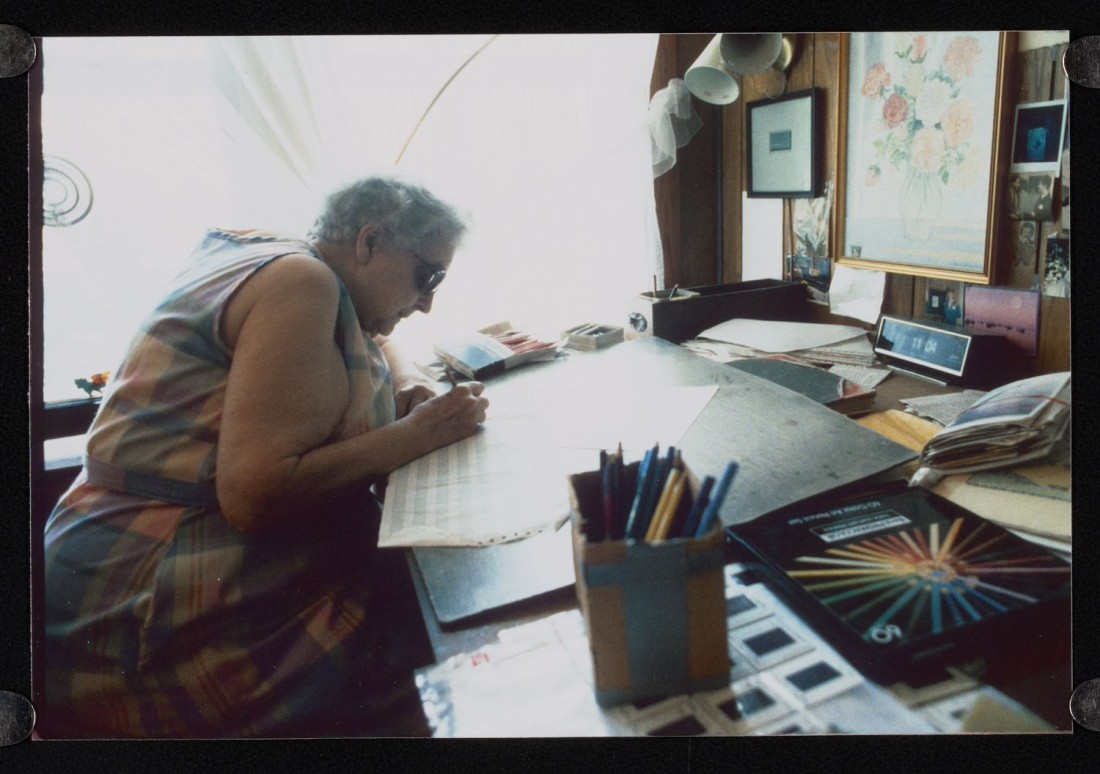
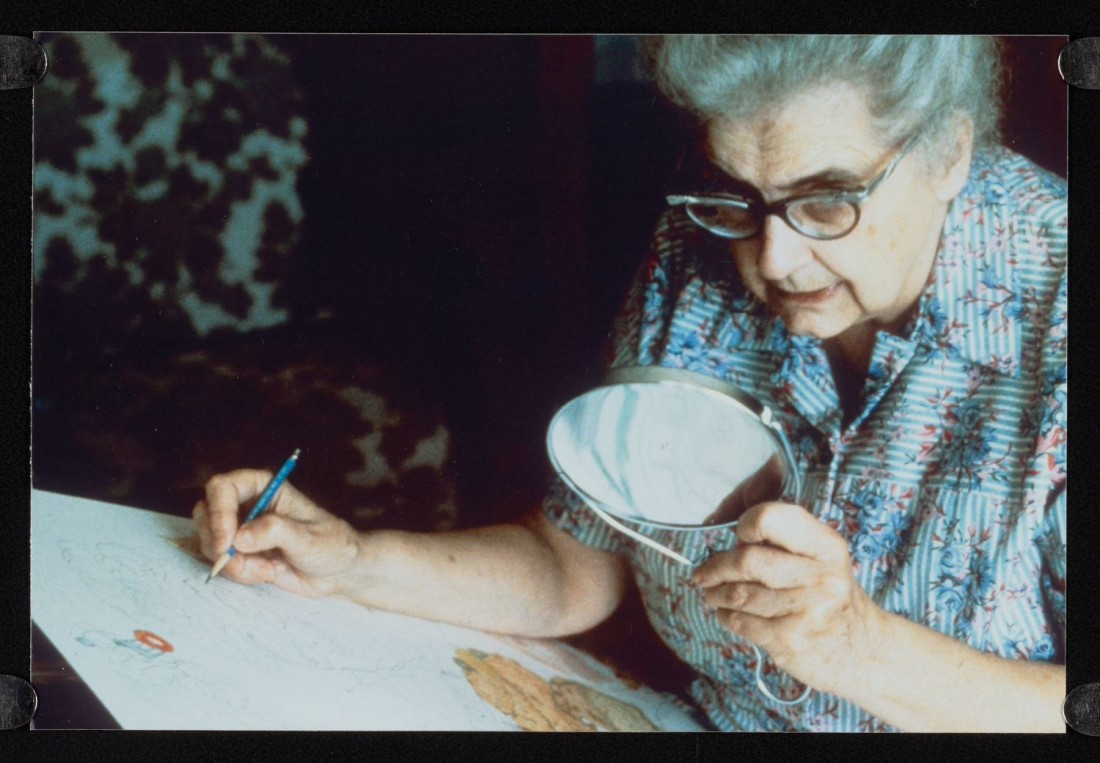
Photos of Elizabeth Layton, blind contour drawing in process, undated. Don Lambert Collection of Elizabeth Layton Papers. Call Number: RH MS 1538, Box 12, Folder 6. Click images to enlarge.
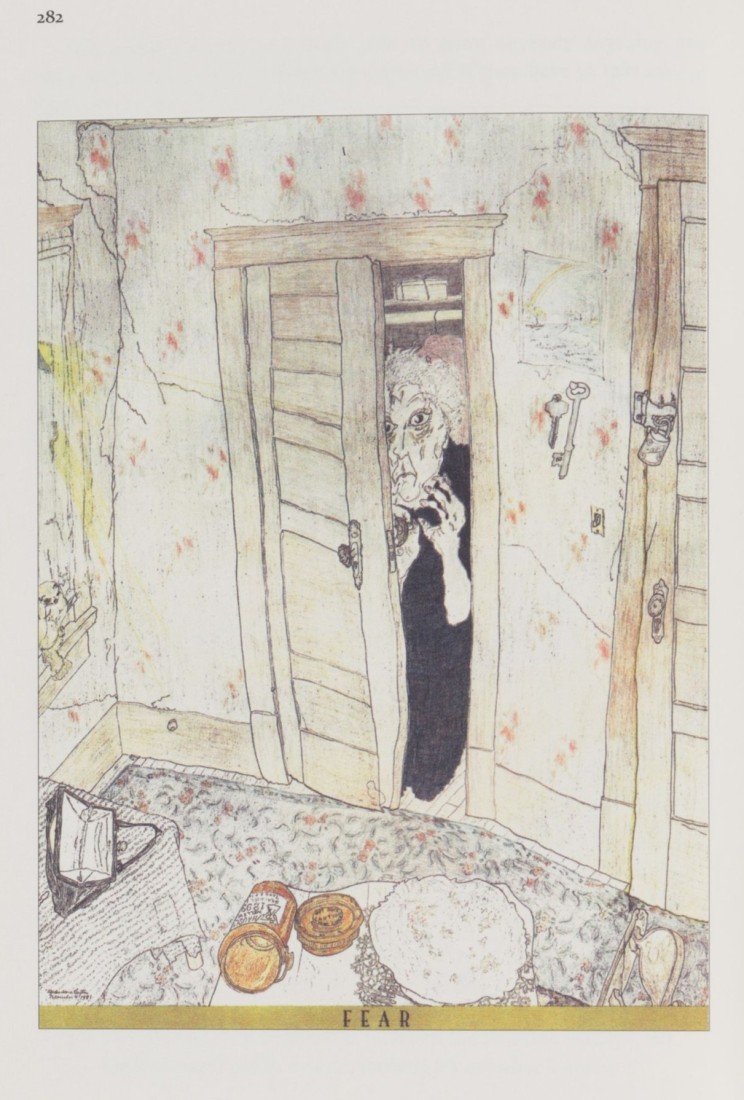
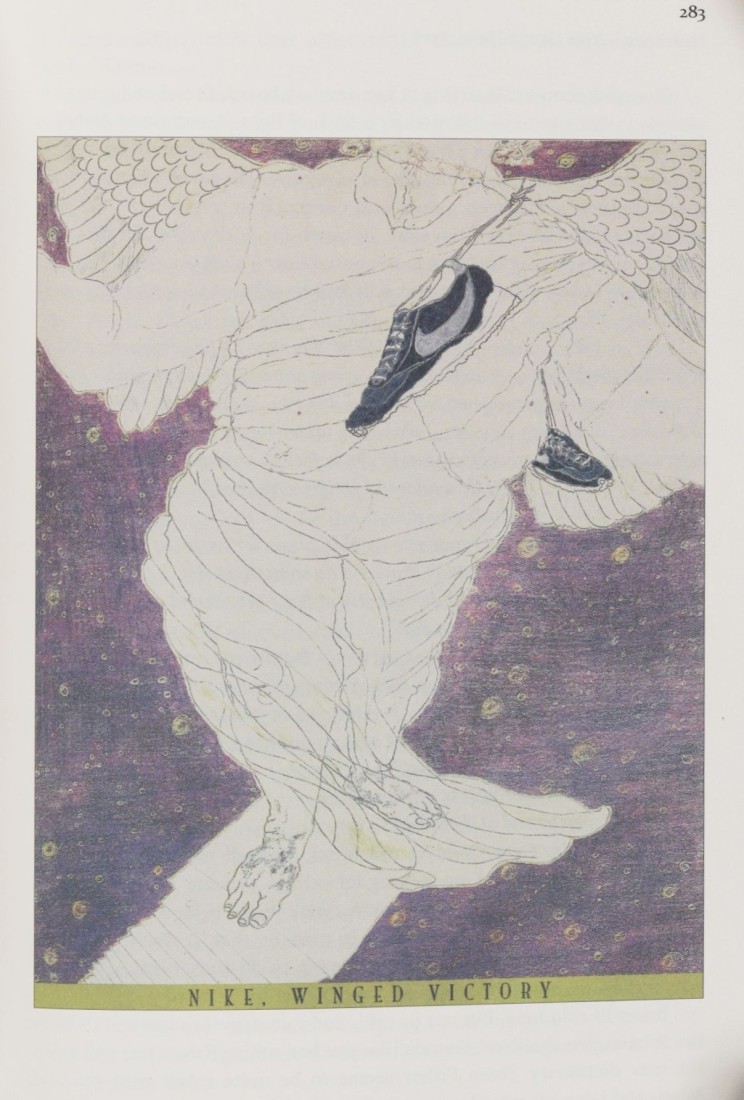
Drawings titled “Fear” (left) and “Nike, Winged Victory” (right) in Elizabeth Layton’s memoir Signs Along the Way, 2013. Call Number: RH C12442. Click images to enlarge.
Similarly, I was delighted to stumble across several emeritus faculty who had contributed to KU’s aging-focused curricula over the years. This includes Shirley Patterson, who had her social work students interview older adults in the local community and create poems and brief essays based on their experiences. Additionally, Janet Hamburg of KU’s Department of Theatre and Dance taught “Dance for Seniors” and developed movement-based interventions for individuals living with Parkinson’s disease. These rich discoveries had to somehow be narrowed down to what could fit into a handful of display cases, and choosing amongst artifacts turned into a tall order, indeed. We will have to return to explore new topics another day!
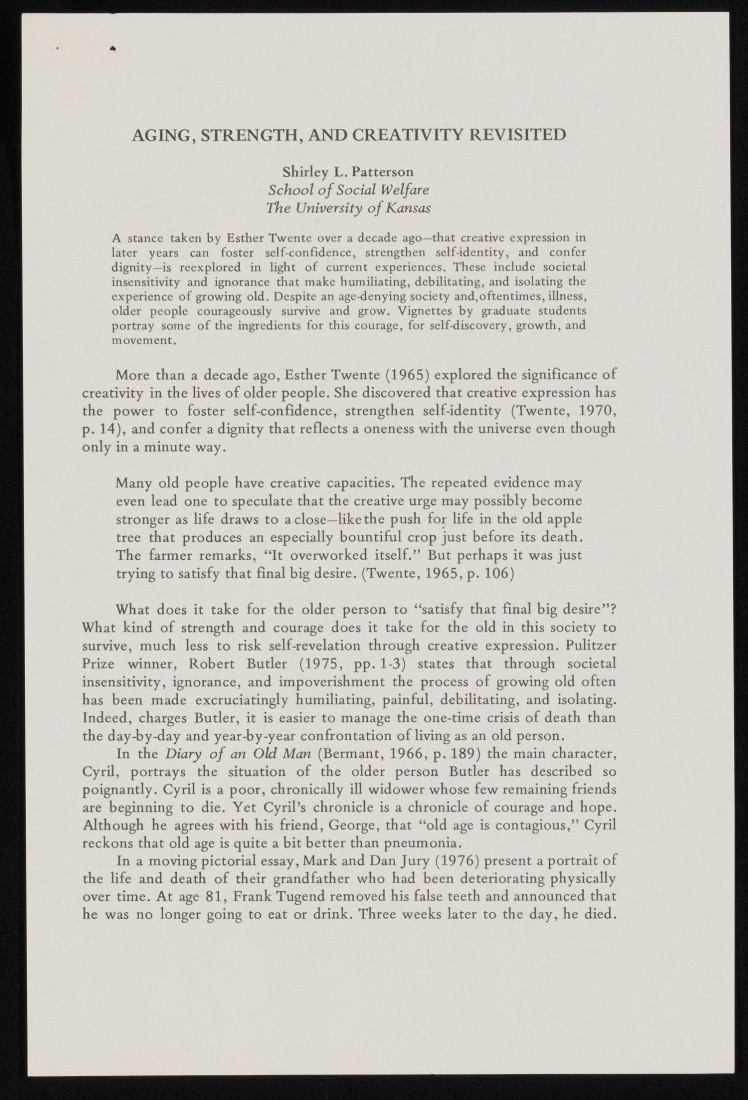
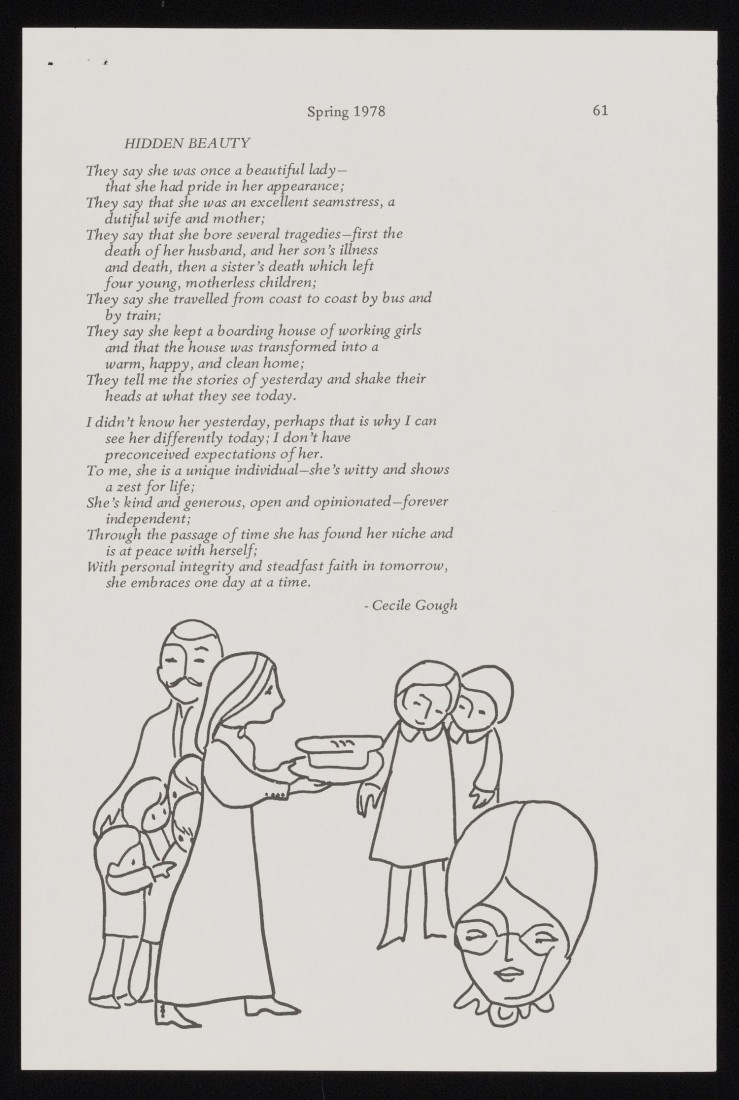
Selected pages from “Aging, Strength, and Creativity Revisited” by Shirley Patterson, 1978. Personal Papers of Shirley L. Patterson. Call Number: PP 607, Box 2, Folder 26. Click images to enlarge.
From this year-long process, the resulting exhibition opened on February 23, 2026, and is organized into six sequential display cases of archival materials. The exhibit also includes 15 contemporary art works, both in display cases and along the exhibition walls, through which the exhibition themes are interwoven and illustrated in vibrant and moving detail.
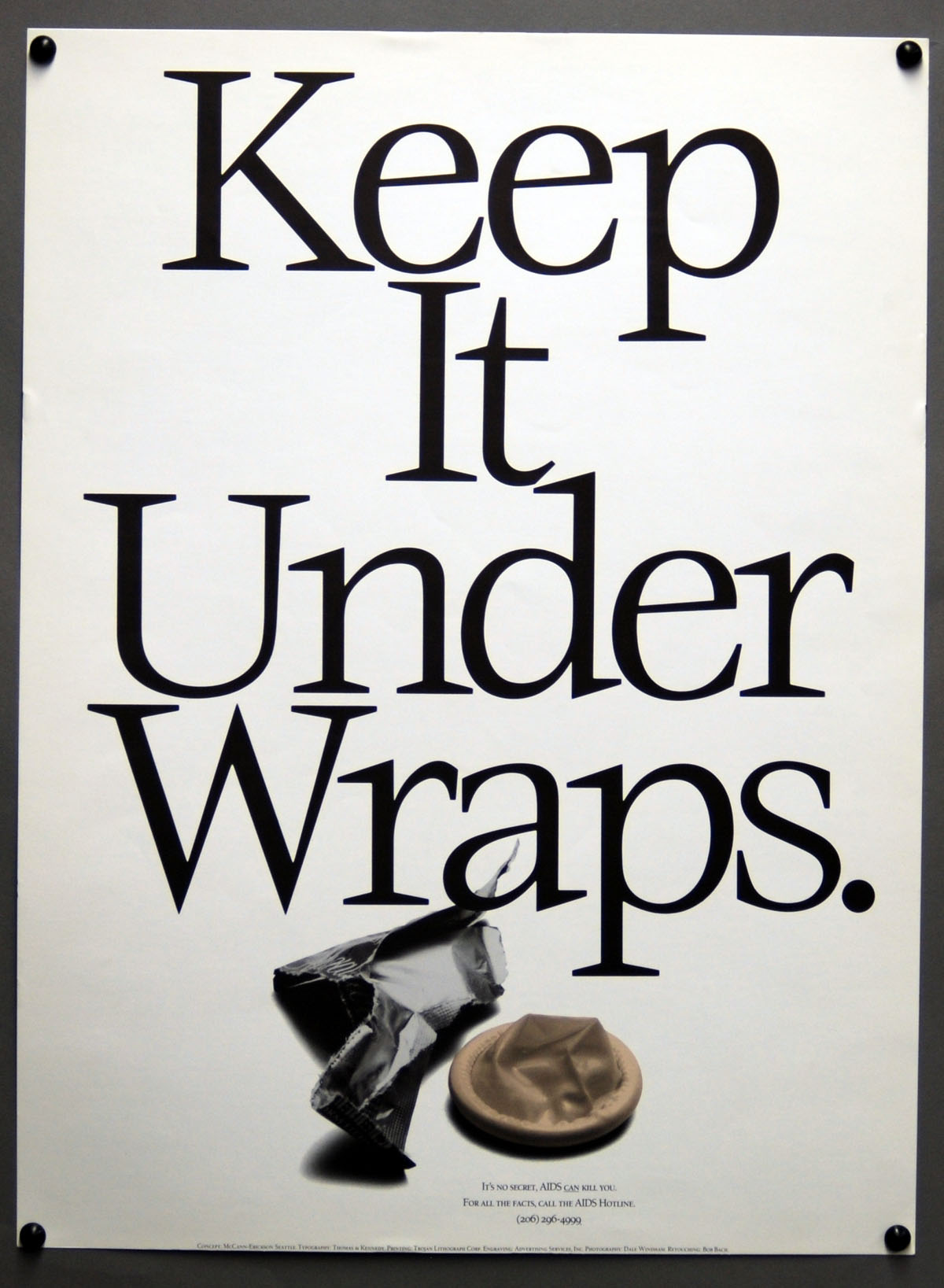
The overarching narrative of the exhibition explores societal discourses around aging, illustrating that the ways in which we talk about a thing, person, or experience come to shape our ability to imagine and engage with the object of conversation. In this case, audience members are asked to grapple with societal conversations around aging and later life, considering the impact of how we construct and envision this universal, life-long experience and how those constructions shape our hopes and plans for our own aging present and futures. Historical discourses are captured in artifacts dating back to 1780, representing older citizens as making up a vulnerable and needy population. Documents from aging activists, creative essays, portraits, poetry, and much more provide contrasting and nuanced constructions of aging, balancing more varied images of later life based on agency, growing or evolving self-knowledge, hardships and joys brought by new phases of life, and more.
A special event next Tuesday, March 31, 2026 (5:30-7:00pm) will feature a mini-presentation on the making of the exhibition and will be attended by several of the exhibit’s contributing artists, who will mingle with attendees and informally share the meaning of their work. Come and join us to explore your own hopes for the future!
Sarah Jen
Associate Professor and PhD Program Director
KU School of Social Welfare